Wondering whether an Upper Manhattan co-op feels more like classic New York charm, a tightly run community, or a little of both? In 10031, the answer is usually yes. If you are considering a move to Hamilton Heights, Sugar Hill, or nearby West Harlem, it helps to know not just what you can buy, but what daily life actually feels like once you live there. Let’s dive in.
Upper Manhattan co-ops have a distinct feel
In 10031, co-op living is shaped by both the neighborhood and the buildings themselves. NYC Planning describes West Harlem as a vibrant, diverse community with a largely low- to mid-rise residential character, and much of the housing stock dates to the first decades of the 20th century.
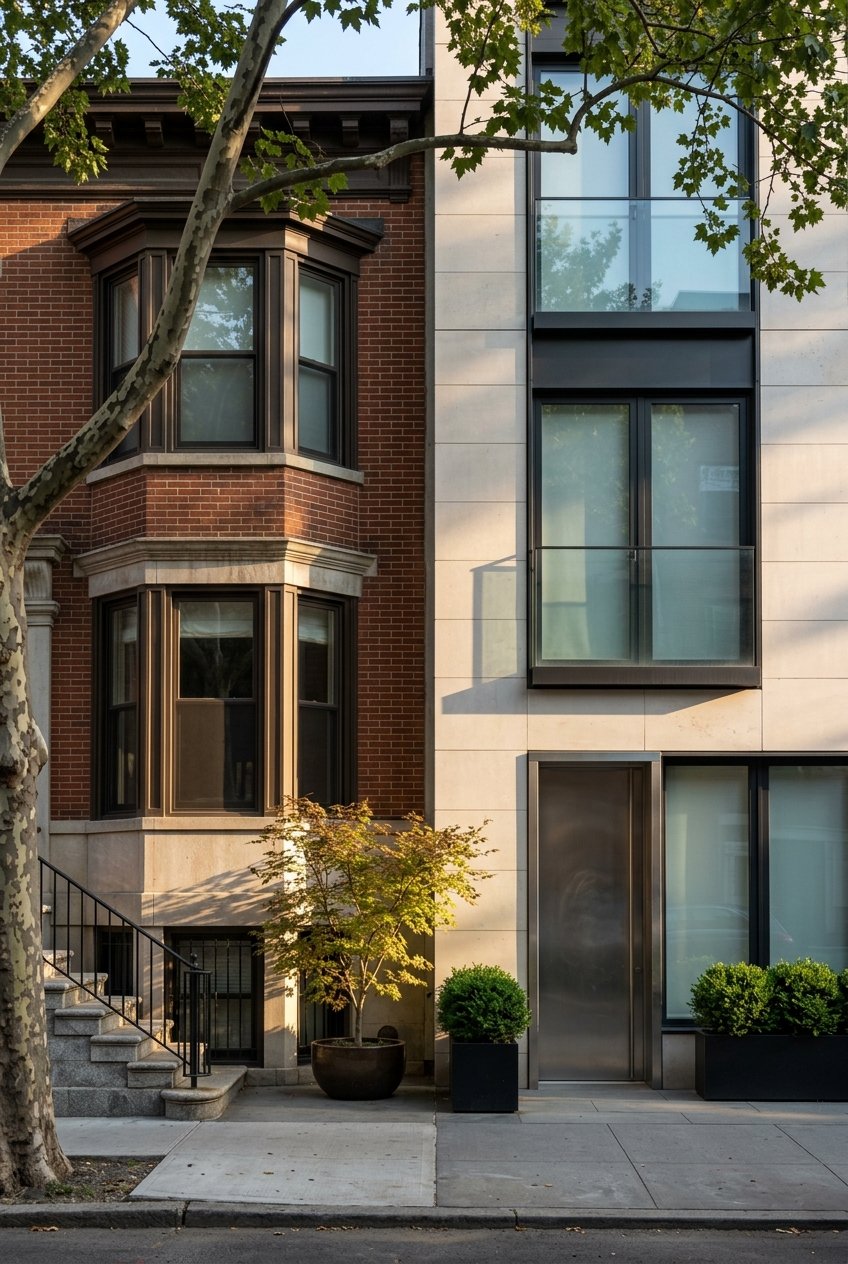
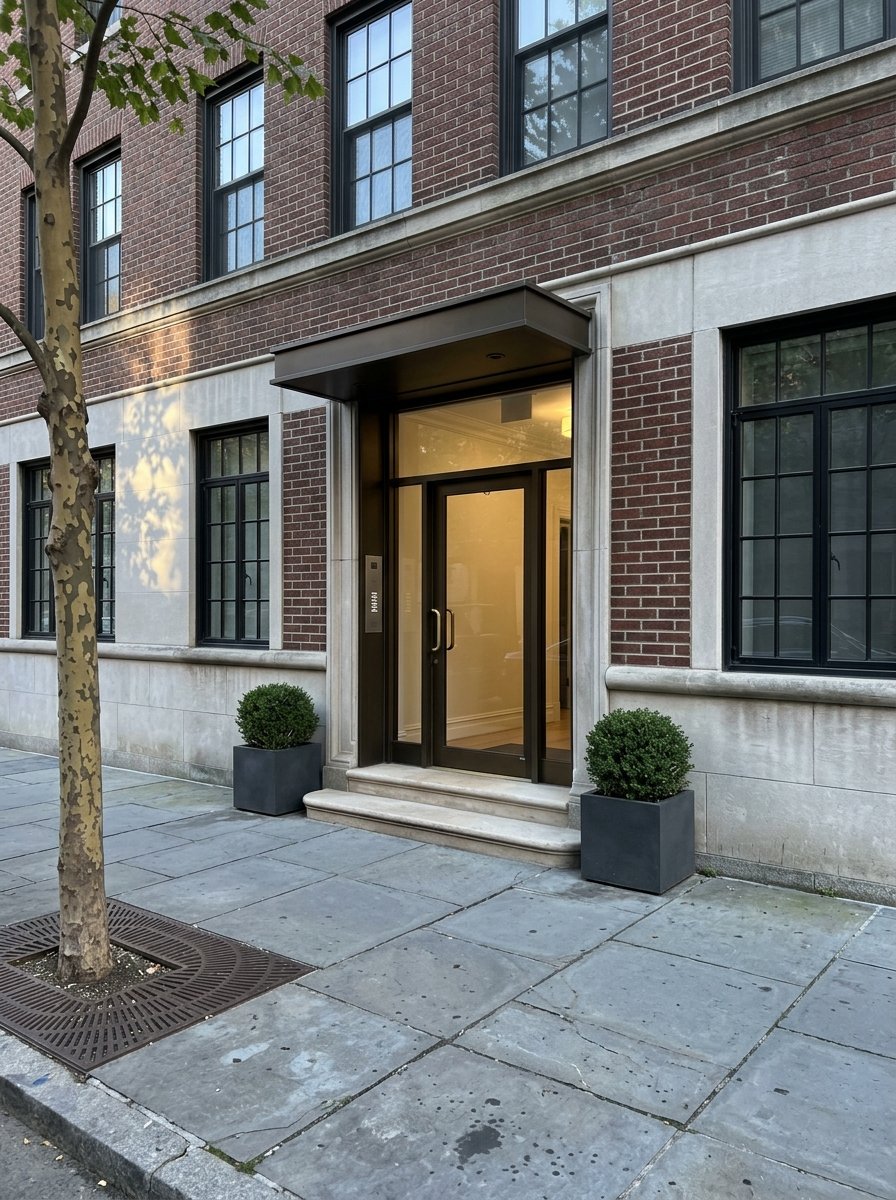
That shows up in the streetscape right away. You will find five- and six-story apartment buildings, three- and four-story brownstones, rowhouses, and prewar elevator buildings, with taller buildings more concentrated west of Broadway toward Riverside Drive. In practical terms, many blocks feel more residential and block-by-block than skyline-dominant.
About 20% of lot area in the rezoning area sits within designated historic districts. That helps explain why so many streets feel preserved, architecturally layered, and distinctly prewar.
Building types vary more than you might expect
One of the most important things to understand about co-ops in this part of Manhattan is that there is no single living experience. Community District 9 includes brownstones, rowhouses, tenements, tower-in-the-park elevator buildings, and pre-World War II elevator apartment buildings.
That variety means your day-to-day life can look very different depending on the building. In a smaller walk-up co-op, you may get a more intimate, neighborly feel. In a larger elevator co-op, you may have more shared services and a more structured building rhythm.
What daily life feels like inside a co-op
In New York, buying a co-op means you are buying shares in a corporation rather than receiving a deed to the apartment. Those shares are tied to a specific unit, and your monthly maintenance is based on the apartment’s share allocation.
That structure affects daily life more than many first-time buyers expect. A co-op is not just a home. It is also a shared building community with governance, financial obligations, and house rules.
Co-op rules are part of the lifestyle
Shareholders elect a board of directors, and that board is required to follow the building’s by-laws, proprietary lease, certificate of incorporation, and house rules. In many buildings, board members are your neighbors and often serve without pay.
That can make co-op living feel more communal, but also more rule-driven. Things like subletting, meetings, voting procedures, and building policies can shape what ownership feels like in real life.
If you are used to renting, this is one of the biggest differences. Your flexibility may depend heavily on the building’s documents and culture.
Maintenance and repairs matter
The New York Attorney General advises buyers to review board minutes and financial reports carefully because older apartment buildings always need repairs and upkeep. In prewar Upper Manhattan buildings, issues such as facades, roofs, elevators, plumbing, and windows can affect both comfort and carrying costs.
This is especially relevant in 10031, where so much of the housing stock is older. The upside is character and solid prewar design. The tradeoff is that building condition and financial planning matter a great deal.
Some co-ops have extra restrictions
Some New York City co-ops are HDFCs. According to NYC HPD, HDFC co-ops can be subject to income limits, resale restrictions, and subletting rules.
For buyers, that means reading the fine print is essential. Two co-ops on the same block can come with very different ownership rules.
The neighborhood feels established and lived-in
Part of what draws buyers to Upper Manhattan co-ops is that the neighborhood does not feel overly manufactured. The built environment is largely low- to mid-rise, and many blocks blend apartment houses, brownstones, and rowhouses in a way that feels rooted and consistent.
You are not just buying an apartment. You are stepping into a neighborhood with a strong architectural identity and a long-established residential pattern. In Hamilton Heights and Sugar Hill, that often translates to a calm, grounded street feel even within a busy borough.
Outdoor access is a real quality-of-life perk
If you picture Manhattan living as all concrete and no breathing room, 10031 may surprise you. Several major parks and recreation areas are close at hand, which can make everyday routines feel more balanced.
Riverbank State Park is the standout amenity. New York State Parks describes it as a 28-acre, multi-level landscaped recreation facility with a pool, skating rink, theater, athletic complex, courts, running track, greenhouse, playgrounds, picnic areas, and promenade views of the Hudson River, the Palisades, and the George Washington Bridge.
That is not a small neighborhood park. It is the kind of place that can become part of your weekly routine, whether you want a run, a view, or somewhere to decompress.
Other nearby green spaces add flexibility
NYC Parks lists St. Nicholas Park at 22.74 acres and Jackie Robinson Park at 12.772 acres. There is also a 23.3-acre Hudson River-facing recreation area between West 145th and West 155th Streets.
For daily life, this matters. It gives you options for walking, sitting outside, exercising, or meeting up with friends without planning your whole day around it.
Hamilton Grange National Memorial, located within St. Nicholas Park at 414 West 141st Street, adds another layer to the area. It gives the neighborhood a green-space destination that also carries historic significance.
Commuting is easier than many buyers assume
A big reason people stay in Upper Manhattan is convenience. West Harlem is served by seven subway stations in the planning area, including stations on the A, B, C, D, and 1 lines.
The current MTA maps reinforce that coverage. The 1 line serves 125th, 137th Street-City College, 145th, and 157th Street, while the A/C/B/D network serves several nearby stops including 125th, 135th, 145th, and 155th Streets.
That kind of transit access gives you options, which is especially useful in Manhattan where your closest stop is not always your best route.
Buses and rail add another layer of convenience
For local movement, NYC Planning notes that bus lines run along West 135th, West 145th, and West 155th Streets as well as major north-south avenues. The West 145th Street corridor also includes retail shopping, a hotel, and a public library.
That helps explain why many blocks feel practical for day-to-day living even if they are not right on top of a subway entrance. Running errands, grabbing what you need, and getting across the neighborhood can feel straightforward.
Harlem-125th Street also gives the area a broader rail connection. MTA lists it as an accessible Metro-North station with ticket machines, a waiting room, restrooms, and connections to buses and the 125th Street subway network.
Local institutions shape the atmosphere
10031 is not only residential. It also has strong institutional anchors that influence the neighborhood’s identity.
The City College of New York is located at 160 Convent Avenue in 10031, and CCNY states that it is the oldest college in CUNY. That presence contributes to the area’s academic and civic texture.
Historic preservation also plays a visible role. Between Hamilton Grange, historic districts, and the concentration of early 20th-century building stock, the neighborhood often feels layered rather than uniform.
What buyers usually like most
For many buyers, Upper Manhattan co-ops offer a mix that is hard to find elsewhere in Manhattan:
- Prewar architecture and established streetscapes
- A more residential block pattern
- Access to multiple parks and recreation spaces
- Strong subway and bus coverage
- A range of co-op building types and price points depending on the property
The appeal is often less about flash and more about texture, routine, and long-term livability.
What to think through before you buy
Co-op living here can be deeply rewarding, but it works best when you go in with clear expectations. Before you buy, it is worth focusing on a few practical questions:
- What do the house rules allow or restrict?
- How healthy are the building finances?
- What do recent board minutes suggest about upcoming repairs?
- Is the building a standard co-op or an HDFC co-op?
- Does the building style match how you want to live day to day?
In a neighborhood with so much older housing stock and so many distinct building types, details matter. The right apartment is only part of the equation. The right building matters just as much.
If you are weighing a co-op purchase in Upper Manhattan, having board-savvy, neighborhood-specific guidance can make the process feel much clearer. For thoughtful advice on Manhattan co-ops and what fits your goals, connect with The Shapot Team.
FAQs
What is co-op ownership in Upper Manhattan?
- In New York, co-op ownership means you buy shares in a corporation tied to a specific apartment rather than receiving a deed to the unit.
What are Upper Manhattan co-op buildings like in 10031?
- In 10031, co-op buildings can include prewar elevator buildings, smaller walk-ups, brownstone-style properties, and larger apartment houses, so the living experience varies by building.
What parks are near Upper Manhattan co-ops in 10031?
- Major nearby outdoor spaces include Riverbank State Park, St. Nicholas Park, Jackie Robinson Park, and the Hudson River-facing recreation area between West 145th and West 155th Streets.
How is commuting from Upper Manhattan co-ops?
- The area is served by the 1, A, B, C, and D subway lines, local bus routes, and the Harlem-125th Street Metro-North station, giving you several transit options.
What should buyers review before purchasing an Upper Manhattan co-op?
- Buyers should review house rules, board minutes, financial reports, repair history, and whether the building has any special restrictions such as HDFC income, resale, or subletting rules.