If your Midtown West apartment looks better in person than it does online, you may be leaving interest on the table. In a neighborhood shaped by high-rises, busy streets, and strong listing competition, buyers often make their first decision from photos alone. The good news is that smart staging can help your home feel brighter, calmer, and easier to understand online. Let’s dive in.
Why online impact matters in Midtown West
Midtown West gives buyers a very specific visual context. Official planning materials describe the area west of Eighth Avenue as a mix of residential and commercial buildings, with towers, older walk-ups, and major transit infrastructure all influencing the streetscape.
That matters because your listing is not competing in a vacuum. Buyers may already expect street activity, density, and a fast-paced setting, so your photos need to clearly show the apartment as a calm, functional place to live. Clean sightlines, bright rooms, and clear layout shots can help separate your home from the noise outside.
For Manhattan sellers, that first online impression carries real weight. According to the National Association of Realtors' 2025 Profile of Home Staging, 83% of buyers' agents said staging makes it easier for buyers to visualize a property as a future home, and 49% of sellers' agents said staged homes spent less time on the market.
Focus on calm, bright interiors
In Midtown West, staging should do more than make a room look pretty. It should create a visual break from the urban environment and help buyers focus on space, light, and livability.
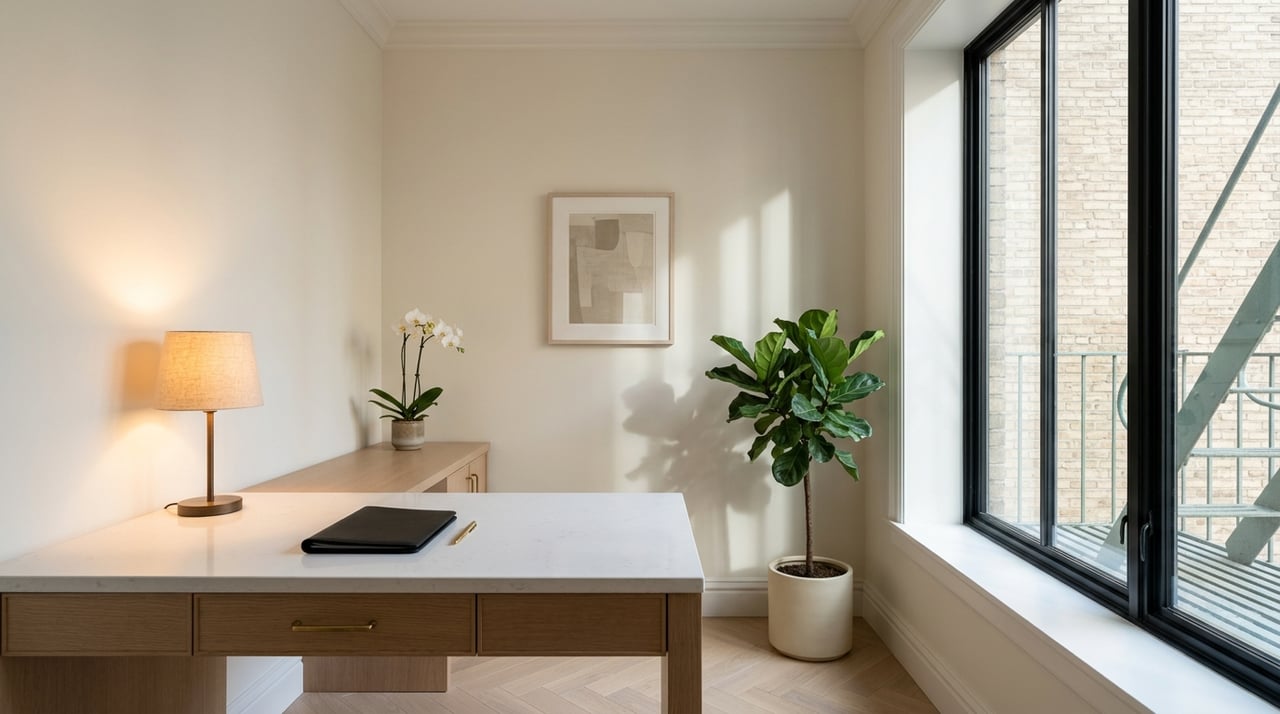
A restrained, neutral backdrop usually works best. Neutral paint, lighter bedding, simple decor, and uncluttered surfaces help a room read as larger and more flexible in photos. Bold decor and crowded furniture can distract from the apartment itself.
This is especially important in buildings near heavier traffic or transit corridors. Manhattan Community Board 4 has identified traffic, air quality, construction, and noise as major quality-of-life issues in the district, so your listing should visually emphasize quiet, order, and comfort wherever possible.
Stage the rooms buyers notice most
Not every room has the same online job. If you want strong digital impact, start with the spaces buyers tend to judge first.
Living room staging
The living room is often the anchor of the listing. NAR notes that it is the single most important room to stage, so keep circulation paths open and use only a few polished accents.
Think simple pillows, one or two pieces of art, and furniture scaled to the room. Remove bulky pieces that interrupt flow or make the layout feel tighter. In Midtown West apartments, where square footage can be a key concern, visual openness matters.
Bedroom staging
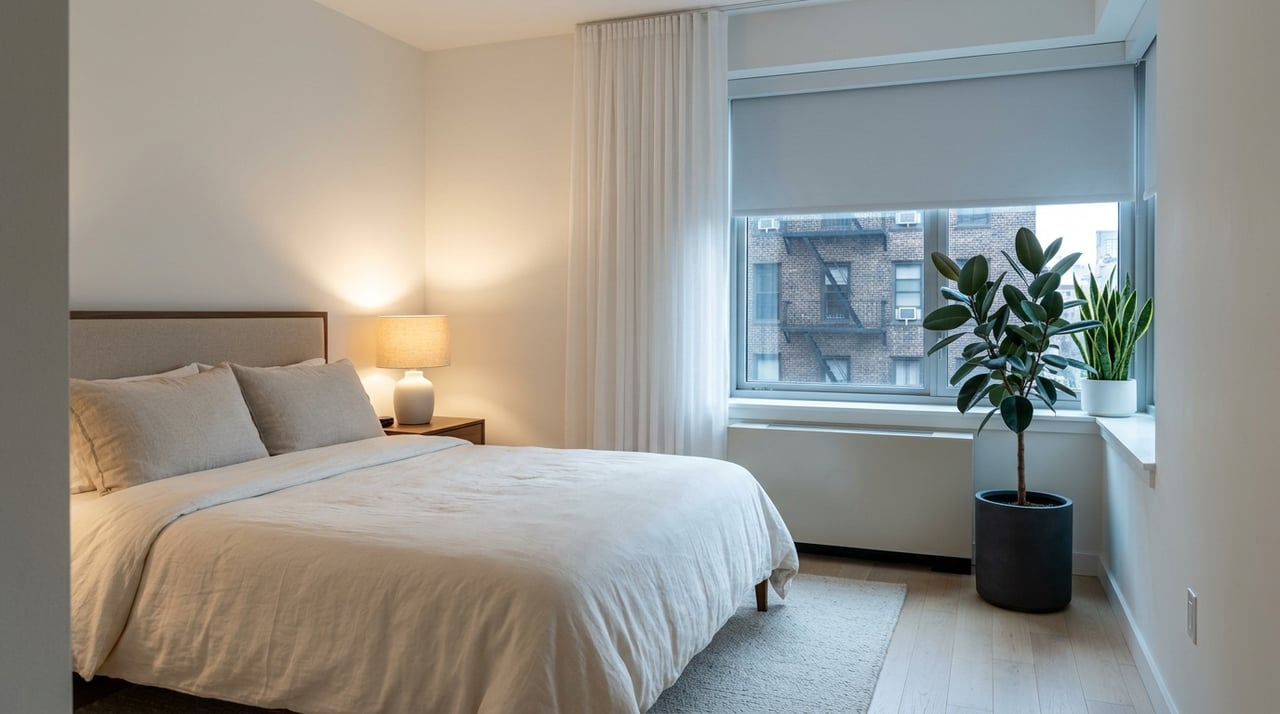
Your bedroom should feel clean, restful, and lightly styled. Neutral bedding, limited personal items, and visible floor space can help the room feel more spacious in photos.
Closets matter here too. NAR recommends keeping closets half full or less, since buyers often open them and use them to judge storage. A tidy, partially filled closet usually shows better than one packed to capacity.
Kitchen and bath staging
Kitchens and baths should feel spotless and easy to maintain. Clear the counters, remove dish racks, hide toiletries, and swap in fresh towels.
If you are considering small pre-listing updates, focus on low-cost, high-impact items. Simple changes like cabinet pulls, knobs, faucets, or ceiling lights can sharpen the look without overcomplicating the prep process.
Entry, hallway, and storage staging
Do not stop with the main rooms. Entryways, hallways, and storage areas often affect how buyers read the whole apartment.
These spaces should feel clean and intentional, not like overflow zones. Since buyers will often inspect closets and storage closely, neat organization can strengthen the sense that the apartment works well day to day.
Declutter with photos in mind
A staged apartment is not just clean. It is edited for the camera.
NAR recommends packing away personal photos, toiletries, medicines, valuables, and other highly personal items before photos or showings. In occupied Midtown West apartments, the safest look is usually partially packed and move-in ready.
That means your home should still feel lived in, but not visually busy. The goal is to help buyers picture their own routines in the space, while also making every room easier to photograph.
Use lighting to your advantage
Lighting can make or break apartment photography. Both Zillow and StreetEasy emphasize natural light, and that advice is especially useful in Midtown West, where buildings, street conditions, and window orientation can affect brightness.
Open blinds, turn on lights, and remove window screens when possible so your windows read cleanly. Screens can dim light and make windows look dull in photos.
At the same time, avoid harsh glare. Good listing photos balance brightness with clarity, so the room feels open without losing detail.
Make windows and views work harder
For many Midtown West apartments, windows are a major selling point. But if the view is the headline, the room still has to look good too.
A strong photo should capture the brightness of the interior and any standout view together. That usually means clean glass, controlled exposure, and only a small number of true hero shots that actually add value to the listing.
This approach matters in high-rise competition. Buyers may scroll past skyline photos that feel generic, but they will stop for images that show how the apartment itself connects to light and view.
Set up photos for layout clarity
In New York City, layout matters almost as much as finish. StreetEasy notes that floor plans are especially important in NYC because buyers often need help judging whether a space will work for their daily life.
Your staging should support that goal. Open doors between rooms, clear walkways, and avoid large foreground furniture that blocks the camera's view of how spaces connect.
Photo angles matter too. Chest-height or slightly low viewpoints, landscape orientation, wide-angle framing, and straight vertical lines usually help rooms feel more accurate and inviting. The point is not to exaggerate the apartment. It is to present it clearly.
Choose the right lead photo
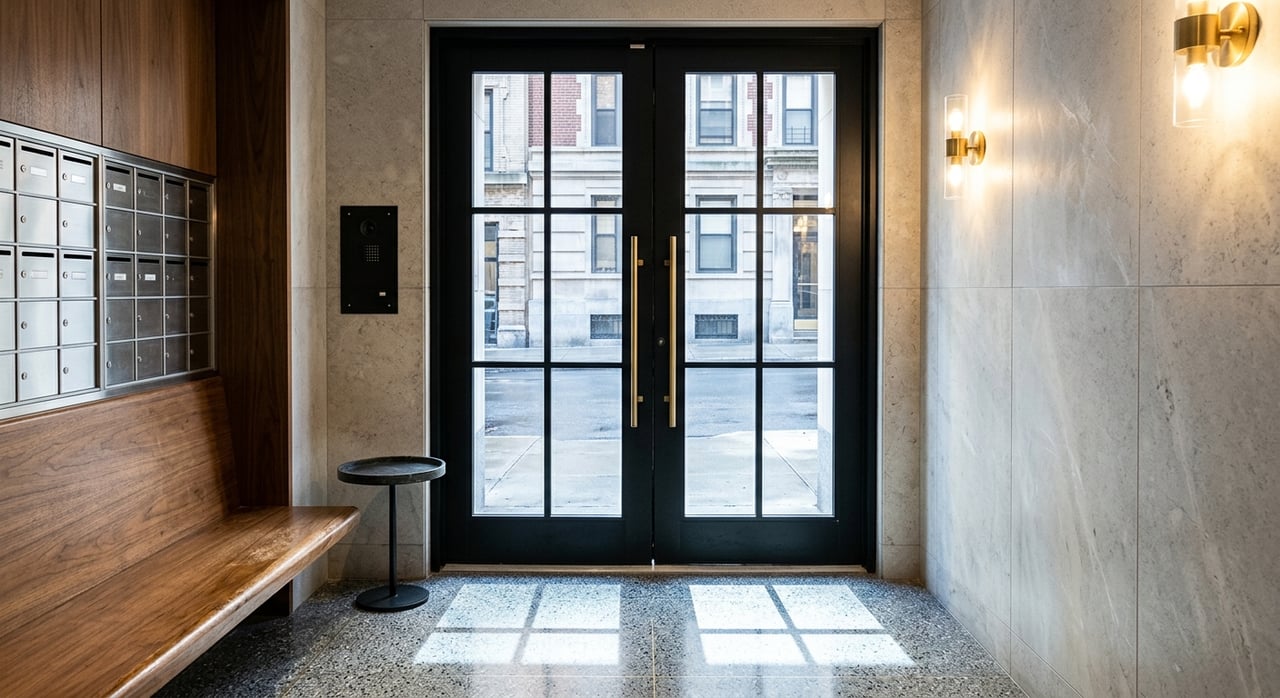
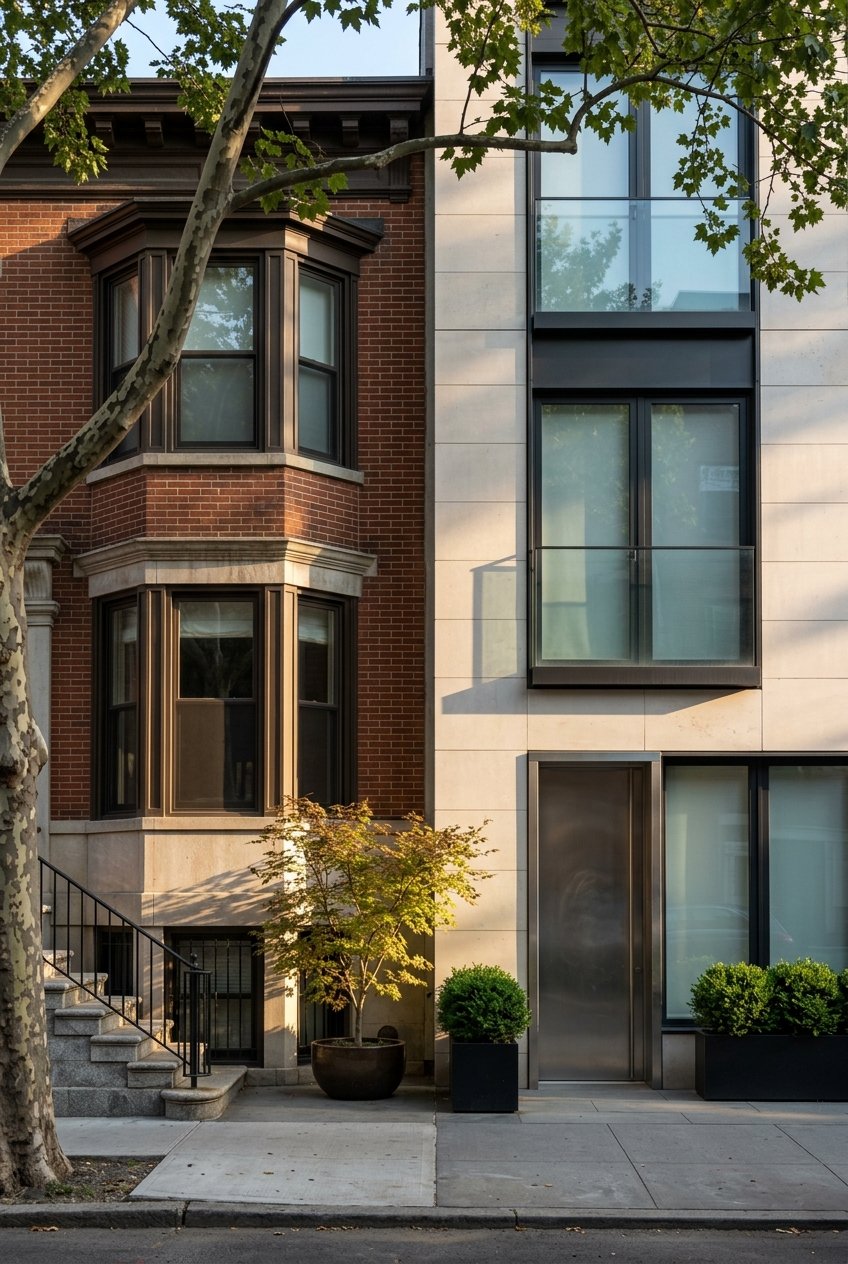
Your first image should usually be the actual apartment, not just the building exterior. Apartment shoppers want to see the specific space they may live in, and that first image often determines whether they keep scrolling.
Pick a lead photo that feels bright, balanced, and easy to understand. In many Midtown West listings, that will be the living room or another space that best combines light, layout, and polish.
As a practical baseline, at least six to seven listing photos can help give buyers enough visual information to stay engaged. More importantly, each photo should have a clear purpose.
Time showings with the neighborhood in mind
Staging is not only visual. It also affects how the apartment feels during in-person visits.
Because Community Board 4 identifies traffic and noise as common concerns in the area, off-peak showing times may help some apartments present better. Soft-surface elements like rugs, curtains, and upholstered furniture can also help absorb sound and make the home feel more comfortable.
This does not change the location, of course. It simply helps buyers experience the apartment at its strongest.
Vacant versus occupied apartments
A vacant apartment and an occupied one need different staging plans. If the apartment is occupied, keep the look streamlined, neutral, and lightly lived in.
If the apartment is vacant, virtual staging may help buyers understand scale and use. NAR notes that any enhancement that materially alters the property should be disclosed, so presentation should stay clear and honest.
Why organization matters for co-op sellers
In Manhattan, presentation can support more than just marketing momentum. For co-op sellers in particular, a clean, organized, board-ready home can reinforce the sense that the sale process is being handled carefully.
That does not replace pricing, paperwork, or board preparation, but it does help create a stronger overall impression. In a market where details matter, thoughtful staging can support a more confident launch.
When you are getting ready to sell in Midtown West, the goal is simple: make the apartment feel bright, calm, and easy to understand from the very first scroll. That takes more than trendy decor. It takes a measured plan built around the way Manhattan buyers actually shop. If you want practical guidance on preparing your apartment for market, The Shapot Team can help you create a strategy that fits your home, building, and timeline.
FAQs
What rooms matter most when staging a Midtown West apartment?
- The living room, primary bedroom, dining room, and kitchen are the rooms most commonly staged, with the living room often considered the most important for buyer impact.
How should you stage a Midtown West apartment for listing photos?
- Use neutral colors, remove personal items, clear surfaces, keep closets half full or less, and arrange furniture to show open walkways and clear room connections.
What is the best first photo for a Midtown West apartment listing?
- The first photo should usually show the actual unit, not only the building exterior, because buyers want to see the space they may live in right away.
How can you make a Midtown West apartment look brighter online?
- Open blinds, turn on lights, clean windows, remove screens when possible, and schedule photos during the day to make the most of natural light while avoiding glare.
Should you include a floor plan with a Midtown West apartment listing?
- Yes. In NYC, floor plans are especially helpful because buyers often use them to decide whether the apartment's layout will work for their needs.
Can virtual staging help sell a vacant Midtown West apartment?
- Yes, virtual staging can help buyers understand how a vacant space may function, but any enhancement that materially alters the property should be disclosed.