If you picture Chelsea as just galleries and the High Line, you are only seeing part of the story. This Manhattan neighborhood changes noticeably from block to block, which is exactly why so many buyers find it compelling and a little hard to decode at first. If you want to understand how art, open space, and loft-style homes actually shape daily life here, this guide will help you see Chelsea more clearly. Let’s dive in.
Why Chelsea Feels Different by Block
Chelsea sits within Manhattan Community District 4, and official planning documents make clear that the neighborhood has distinct subareas. The lower-scale historic blocks east of Tenth Avenue feel different from West Chelsea, where mixed-use buildings, galleries, and loft structures cluster around the High Line corridor. That contrast is a big reason Chelsea can feel both classic and contemporary at the same time.
For you as a buyer, that means one Chelsea address can offer a very different experience from another just a few blocks away. Some streets lean more residential in character, while others feel more tied to art spaces, adaptive-reuse buildings, and destination activity. In practical terms, Chelsea rewards a block-by-block search.
West Chelsea and Historic Chelsea
West Chelsea is often the part of the neighborhood people picture first. Planning materials describe it as a dynamic mixed-use area shaped by galleries, arts-related uses, and the reuse of the High Line as accessible open space. It also includes a planned transition to the lower-scale Chelsea Historic District.
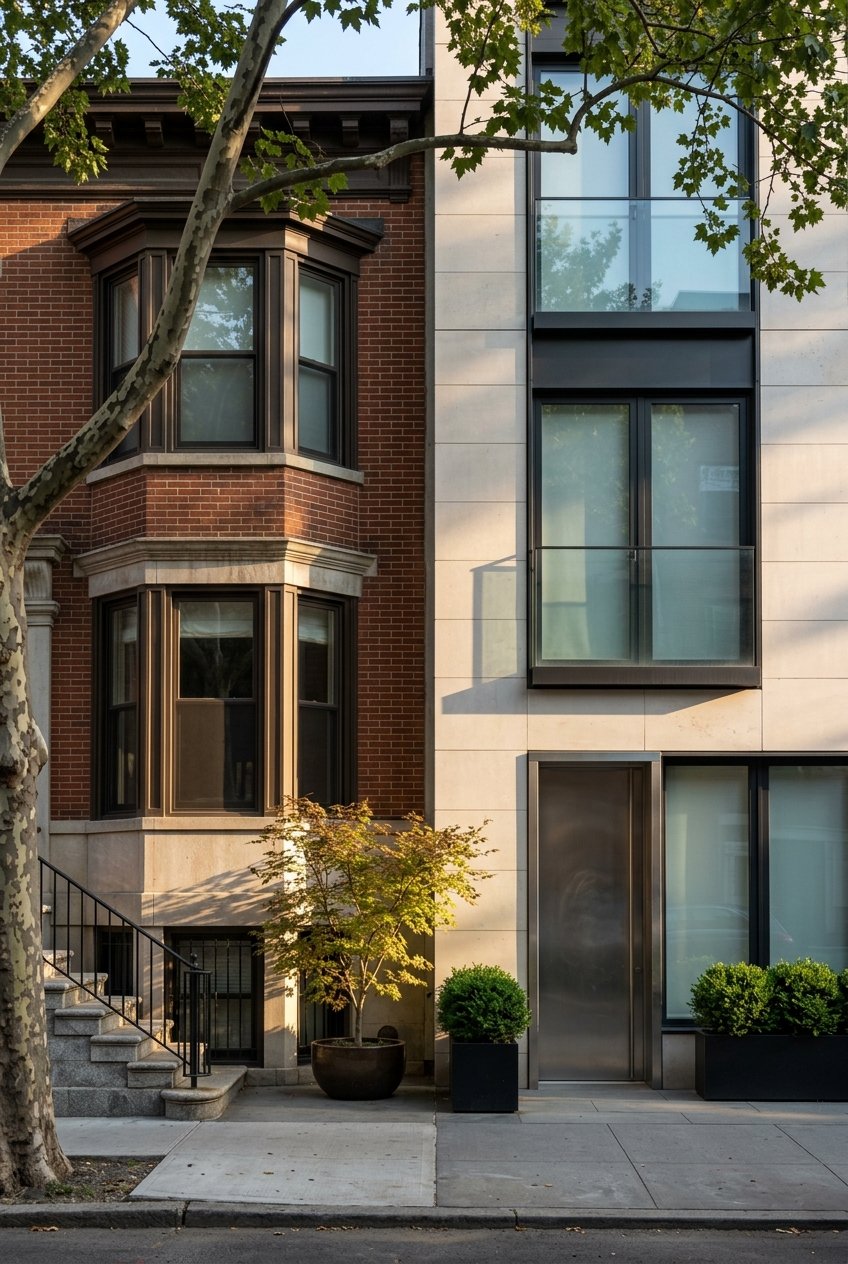
Chelsea Historic District tells a different story. The district was designated in 1970 and expanded in 1981, and it is known for older row houses dating largely from the 1830s through the 1870s, along with apartment houses that began appearing in the 1890s and a small number of 1930s-era buildings. If you are drawn to traditional low-rise streetscapes, this part of Chelsea may feel especially appealing.
How the High Line Shapes Chelsea Living
The High Line is not just near Chelsea. It is one of the neighborhood’s defining connectors. The current High Line guide describes it as a public space built on a historic elevated rail line, one that has evolved from freight infrastructure into a place for gardens, art, performances, food, and city views.
That matters because the High Line helps stitch together several parts of the neighborhood experience. The guide maps destinations along the route including the Gallery District, Chelsea Market, the Whitney Museum, and the West Chelsea Historic District. In everyday life, that makes the High Line feel less like a standalone attraction and more like a cultural spine that links places you may actually visit regularly.
The High Line also reinforces why Chelsea feels visually distinctive. You get a mix of industrial history, landscaped public space, architecture, and changing street perspectives. For many buyers, that layered setting is a meaningful part of the appeal.
Chelsea’s Art Identity Is Built In
Chelsea’s art scene is closely tied to its built environment. Official planning documents describe West Chelsea, roughly between Tenth and Twelfth Avenues from West 14th to West 30th Streets, as the city’s premier art gallery district. Many galleries occupy former garages, warehouses, and other light-industrial spaces.
That history is worth paying attention to if you are trying to understand the neighborhood beyond surface-level branding. Chelsea’s gallery culture grew in spaces that were already here, which gives the area a grounded, adaptive-reuse identity. In other words, the art scene is part of the neighborhood fabric, not just an overlay.
The High Line adds to that identity through regular public art programming. According to its pocket guide, High Line Art commissions and produces more than 30 projects each year. That ongoing presence helps keep art visible in daily neighborhood life, whether you are out for a walk or exploring a specific block.
What Loft-Style Living Means in Chelsea
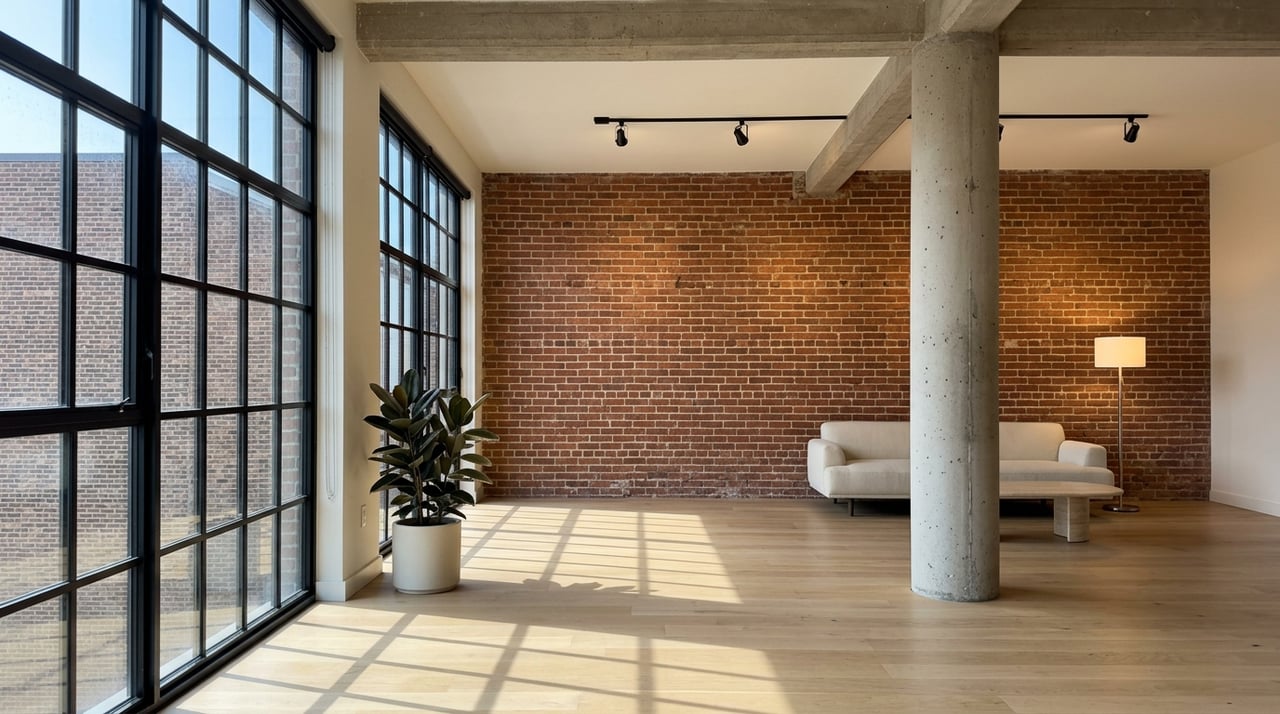
In Chelsea, “loft-style” is not one single property category. It is better understood as a housing experience shaped by industrial-era architecture, building conversions, and adaptive reuse, especially west of Tenth Avenue. Official historic-resources materials point to loft buildings, warehouses, manufacturing buildings, and reuse examples like the Chelsea Market complex.
For you, that means loft-style living here is often tied to authentic building history. Rather than a generic open-plan look, Chelsea loft-style homes are linked to former industrial or commercial structures that were later converted for new uses. That origin story is part of what makes these homes feel distinct.
North of West 23rd Street, planning documents note that the area is generally characterized by low- to mid-rise converted industrial lofts. That helps explain why parts of Chelsea can feel especially design-forward while still functioning as a residential neighborhood.
Is Chelsea All Lofts?
No. Chelsea has a wide housing mix, and that variety is one of its strengths. Planning materials describe low-rise pre-war brownstones and townhouses, luxury converted lofts, mid- to high-rise apartment buildings, condominiums and cooperatives, and low- to mid-rise walk-up tenements.
For buyers, this broad mix creates more than one path into the neighborhood. You may be comparing a classic co-op, a condo in a larger building, a townhouse-style residence, or a converted loft with industrial bones. The right fit often comes down to how you want to live day to day, not just what style you like in photos.
That is especially important in Manhattan, where building type can affect how a purchase feels operationally as well as aesthetically. If you are weighing co-op and condo options in Chelsea, it helps to look beyond finishes and focus on the building structure, location, and overall lifestyle fit.
Everyday Life in Chelsea
Chelsea works as a residential neighborhood because its destination appeal overlaps with everyday convenience. Planning documents note that Eighth, Ninth, and to a lesser extent, Tenth Avenues have become increasingly attractive for restaurants, cafes, shops, and other services serving local residents. That gives the neighborhood a lived-in rhythm beyond its cultural landmarks.
Chelsea Market is one of the area’s most recognized food anchors. Its official materials describe it as an indoor food and retail marketplace in the former Nabisco factory, with merchants spanning food, shopping, and arts and culture. Even though it sits in the nearby Meatpacking District, it remains part of the broader Chelsea experience for many residents and visitors.
The result is a neighborhood where dining, open space, architecture, and art often overlap within a short walk. If you are trying to picture daily life here, that blend is central to the appeal.
What Buyers Should Focus On
Because Chelsea changes so much by block, a smart search starts with how you want your home to feel in context. Some buyers want a quieter, lower-scale streetscape. Others want to be closer to gallery buildings, the High Line, and loft-style architecture.
A few practical questions can help you narrow your search:
- Do you prefer historic row-house blocks or a more mixed-use setting?
- Are you specifically looking for authentic loft-style architecture?
- Do you want to be close to the High Line as part of your regular routine?
- Are you considering a co-op, condo, townhouse, or conversion property?
- How important is easy access to dining, retail, and cultural destinations?
In a neighborhood like Chelsea, these questions matter because the answer is rarely one-size-fits-all. A measured search can help you avoid treating Chelsea as a single uniform market when it really functions as several closely connected micro-settings.
Why Local Guidance Matters in Chelsea
Chelsea is a neighborhood where nuance matters. The same broad neighborhood label can include historic row houses, converted lofts, co-ops, condos, and larger apartment buildings, all within a relatively compact area. That makes local interpretation especially valuable when you are deciding where to focus.
At The Shapot Team, we believe Manhattan buyers benefit from clear, calm guidance rooted in neighborhood knowledge and practical execution. If you are exploring Chelsea, understanding the difference between block appeal and long-term fit can make your search more efficient and more confident.
If you are thinking about buying or selling in Chelsea and want measured advice on building type, neighborhood fit, and next steps, The Shapot Team is here to help.
FAQs
Is the High Line part of Chelsea?
- Yes. The High Line guide maps Chelsea destinations along the park, and local planning documents treat it as an important neighborhood connector and open-space feature.
What makes West Chelsea different from the rest of Chelsea?
- West Chelsea is more closely associated with galleries, the High Line, mixed-use development, and industrial-to-residential reuse, while eastern parts of Chelsea tend to read as more traditionally residential and historically protected.
What types of homes can you find in Chelsea?
- Chelsea includes row houses, pre-war apartment buildings, co-ops, condos, walk-ups, and converted industrial lofts, with the mix shifting by block and street.
What does loft-style living in Chelsea usually mean?
- In Chelsea, loft-style living is often tied to adaptive reuse and industrial-era architecture, especially in areas west of Tenth Avenue, rather than a purely modern design trend.
Does Chelsea feel livable beyond its art scene?
- Yes. Planning documents note active restaurant, cafe, shop, and service corridors along avenues such as Eighth and Ninth, which support everyday neighborhood life alongside cultural destinations.