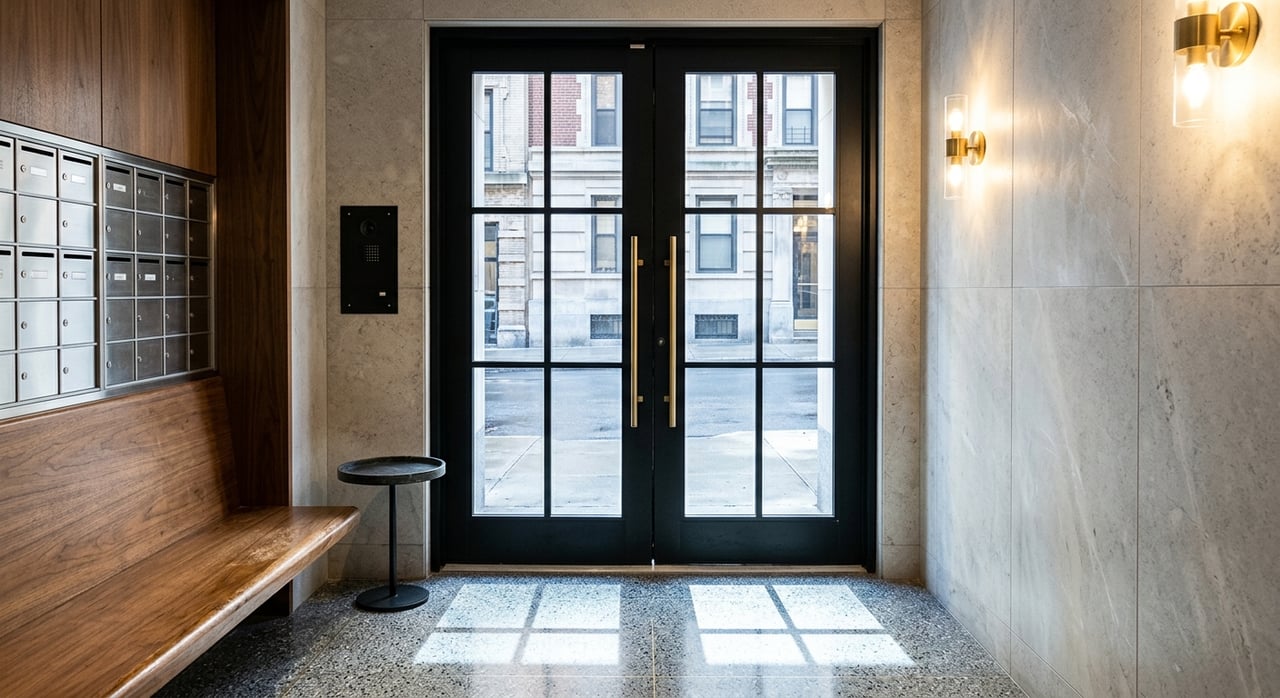
Moving to Midtown East can look simple on paper. In reality, one apartment can shave real time off your commute while another, just a few blocks away, can change your daily routine, your building rules, and even your approval timeline. If you are relocating for work or a major life change, this checklist will help you focus on what matters most before you tour, apply, or make an offer. Let’s dive in.
Why Midtown East Takes a Different Approach
Midtown East is one of Manhattan’s most transit-rich areas, which makes apartment hunting here very specific to the exact block. The MTA neighborhood map places stations like Lexington Av/53 St, 51 St, Grand Central-42 St, 5 Av-53 St, and 42 St-Bryant Park in or near the area. That means your best apartment is not just about the neighborhood name. It is also about which entrance, line, and transfer pattern fits your day.
Grand Central matters even more now for some movers. Grand Central Madison gives Long Island Rail Road riders direct service to Grand Central Terminal, and the 42 St shuttle provides a free transfer between Grand Central-42 St and Times Sq-42 St. If you commute across Manhattan, out to Long Island, or need flexible access to multiple lines, those details can be just as important as the apartment itself.
Start With Your Commute Map
Before you book tours, build your own commute checklist. In Midtown East, a listing can sound close to transit while still being less practical for your actual route. A five-minute difference at the start and end of each workday adds up quickly.
Focus on these three commute questions first:
- Which station entrance is closest to the building?
- How many transfers will your usual trip require?
- Is the apartment most practical for Grand Central, the Lexington Avenue line, or the 53rd Street stations?
This step helps you compare apartments in a more realistic way. Instead of asking whether a place is “near transit,” ask whether it fits your exact travel pattern on weekdays, weekends, and late evenings.
Use More Than One Search Channel
If you are relocating, it is easy to rely on one app and hope the right place appears. New York City HPD recommends using multiple search channels instead of depending on a single website or platform. That matters in Midtown East, where timing and local knowledge can make a real difference.
A practical search plan can include:
- Real estate apps
- Neighborhood-based brokers
- Word-of-mouth referrals
- Classified ads
- Walking the area
- Employer or school housing offices, if your move is tied to work or school
Using several channels gives you a broader view of what is available and helps you move faster when a good fit appears. It also reduces the risk of shaping your search around only one source of inventory.
Prepare Your Application Packet Before the Trip
One of the biggest relocation mistakes is waiting until after a tour to gather documents. City data shows vacancy rates fell sharply in 2023 to their lowest levels in recent history. In a tight market, preparation gives you options.
HPD recommends having a current credit agency report and reference names and phone numbers ready. Ideally, that includes a favorable landlord reference along with references from an employer, co-workers, or friends.
NYC Fair Housing guidance also notes that screening can include:
- Credit checks
- Work references
- Landlord references
- Personal references
- Questions about how many people will live in the unit
- Criminal background checks
- Home visits
- Interviews
If an owner or building requires government-issued ID, that requirement must be applied consistently. The practical takeaway is simple: arrive with a complete, organized application packet so you can respond quickly if a unit is a fit.
Know the Basic Rental Rules
If you are renting in Midtown East, a few city rules are worth keeping top of mind. HPD states that credit and background check fees may not exceed $20. Security deposits may not exceed one month’s rent, and key money is illegal.
These rules will not tell you whether an apartment is right for you, but they can help you spot issues early. In a fast-moving relocation, clear expectations reduce stress and help you make cleaner decisions.
Check Legal Occupancy and Safety
A polished lobby or updated kitchen should never replace a basic building check. The New York City Department of Buildings says tenants should verify that a building can legally be occupied as presented and research the building’s violations and permits in BIS. That step is especially useful if a unit’s setup raises questions or seems recently altered.
During a walkthrough, confirm basic safety conditions, including:
- Smoke detectors
- Carbon monoxide detectors
- Two exits
- Bedroom windows
- Safe electrical setup
- No padlocks on the apartment
These are simple checks, but they matter. They help you look past staging and focus on whether the apartment and building function as they should.
Read the Lease Carefully
If you are renting, the lease deserves the same attention as the tour. HPD advises reviewing the correct rent, address, and landlord information before signing. You should also confirm whether the lease reflects the amenities that were promised.
Look closely at:
- Rent due date
- Late charges
- Whether utilities are billed separately
- Building rules on pets
- Guest rules
- Home-business use rules
HPD also notes that having your name on the lease gives you more protection than being an unsigned occupant. For relocators, that can be an important detail when coordinating move timing, household logistics, or employer paperwork.
Understand Co-op vs Condo Basics
If you are buying in Midtown East, ownership structure is a major part of the checklist. In New York, a co-op and a condo are legally different, and that difference affects how you review the apartment, the building, and the documents.
According to the New York State Attorney General, in a co-op you buy shares in a corporation tied to a specific apartment and receive a proprietary lease. Each co-op owner pays maintenance charges based on the shares allocated to the unit.
In a condo, you own the unit separately plus an undivided interest in the common elements. That is a different legal structure, and it can shape everything from monthly costs to how the purchase process feels.
Look Beyond Listing Photos
Midtown East buyers often see attractive finishes first. The Attorney General’s guidance makes clear that the real review has to go deeper. The listing is only part of the story.
For co-op and condo purchases, you should review the offering plan carefully and consult an attorney before signing a purchase agreement. The Attorney General also warns that seller promises not included in the offering plan may not be delivered.
That means your checklist should include more than surface appeal. You want to know what is documented, what is permitted, and what could affect your costs after closing.
Review the Building’s Physical Condition
For existing buildings, the Attorney General recommends looking past the visual polish and reviewing the physical condition of the property itself. This includes major systems and building components that can affect both quality of life and future expense.
Pay attention to items such as:
- Facade
- Roof
- Flooring
- Elevators
- HVAC
- Windows
- Electrical systems
- Plumbing
This is where Midtown East relocators often benefit from measured, organized review. A beautiful apartment in a building facing major repairs can create a very different ownership experience than the photos suggest.
Check Board Minutes and Financial Reports
For co-op and condo purchases, building records can tell you what the tour cannot. The Attorney General says board minutes, financial reports, and building records can reveal defects or expensive repairs, including facade, roof, elevator, boiler, or plumbing work.
This is one of the most practical parts of the checklist because it helps you look ahead. If major work is planned or ongoing, you want to understand that before you commit, not after you move in.
Confirm Rules and Promised Amenities
Whether you are renting or buying, building rules matter in Midtown East. They shape your day-to-day experience, and they can affect everything from visitors to pets to how you use the apartment.
If you are renting, confirm that promised amenities and rules are clearly reflected in the lease. If you are buying in a co-op or condo, the Attorney General recommends verifying that any promised amenities are actually documented in the offering plan.
That simple verification can prevent avoidable surprises. In Manhattan, details in the documents often matter as much as what you see on tour day.
A Practical Midtown East Checklist
Here is a simple way to organize your search before you relocate:
- Map your real commute by station entrance, line, and transfers
- Use multiple search channels, not just one app
- Prepare your credit report and references before touring
- Learn the basic NYC rental fee and deposit rules
- Check legal occupancy, violations, permits, and basic safety conditions
- Review the lease for rent, utilities, due dates, and building rules
- If buying, understand whether the apartment is a co-op or condo
- Read the offering plan and verify promised amenities in writing
- Review building condition, board minutes, and financial reports
Midtown East rewards preparation. When you stay focused on transit fit, paperwork, and building details, you are more likely to choose an apartment that works well long after move-in day.
If you are planning a move to Midtown East and want clear, practical guidance through the search, offer, or board-review process, The Shapot Team can help you move with more confidence and less guesswork.
FAQs
What should I prioritize when relocating to Midtown East?
- Start with your commute. In Midtown East, the nearest station entrance, likely transfers, and access to Grand Central or nearby subway lines can matter as much as the apartment itself.
What documents should I gather before touring Midtown East apartments?
- Have a current credit agency report and reference names and phone numbers ready, ideally including a landlord reference and references from an employer, co-workers, or friends.
What rental fees are allowed for Midtown East apartments?
- According to NYC HPD, credit and background check fees may not exceed $20, security deposits may not exceed one month’s rent, and key money is illegal.
What safety checks should I make during a Midtown East apartment tour?
- Check for smoke and carbon monoxide detectors, two exits, bedroom windows, safe electrical setup, and no padlocks on the apartment, and verify the building can legally be occupied as presented.
What is the difference between a Midtown East co-op and condo purchase?
- In a co-op, you buy shares in a corporation tied to the apartment and receive a proprietary lease. In a condo, you own the unit plus an undivided interest in the common elements.
What building documents matter when buying in Midtown East?
- Review the offering plan, and for existing buildings, look at board minutes, financial reports, and building records for signs of major repairs or future costs.