If you are thinking about living in the East Village, one question matters more than anything else: does the neighborhood’s energy match the way you actually want to live? This is one of Manhattan’s most distinctive downtown neighborhoods, with busy streets, older buildings, strong nightlife, and a creative identity that still feels real today. If you want a clearer picture of the day-to-day experience, this guide will walk you through the vibe, housing, parks, and trade-offs so you can decide whether the East Village fits your lifestyle. Let’s dive in.
East Village Feel Today
The East Village feels dense, walkable, and active for most of the day and night. Current neighborhood guides describe it as a place with strong counterculture roots, busy sidewalks, and a social rhythm that stays lively around the clock.
That constant motion is not hard to explain. More than 65,000 New Yorkers live here, and the neighborhood’s compact layout keeps people moving between apartments, restaurants, bars, shops, and transit stops throughout the day.
You should also know that neighborhood boundaries are not always defined the same way. Some guides focus on the area between Houston Street, 14th Street, Bowery, and Third Avenue, while others stretch farther east toward the East River and include Alphabet City and Cooper Square.
What Daily Life Feels Like
Living in the East Village usually means trading quiet for convenience and character. You are in a part of Manhattan where errands, coffee runs, dinner plans, and late-night meetups can all happen within a short walk.
This is not a suburban-style neighborhood, and it does not try to be. The East Village appeals to people who want an energetic downtown routine, a strong street presence, and a sense that something is always happening nearby.
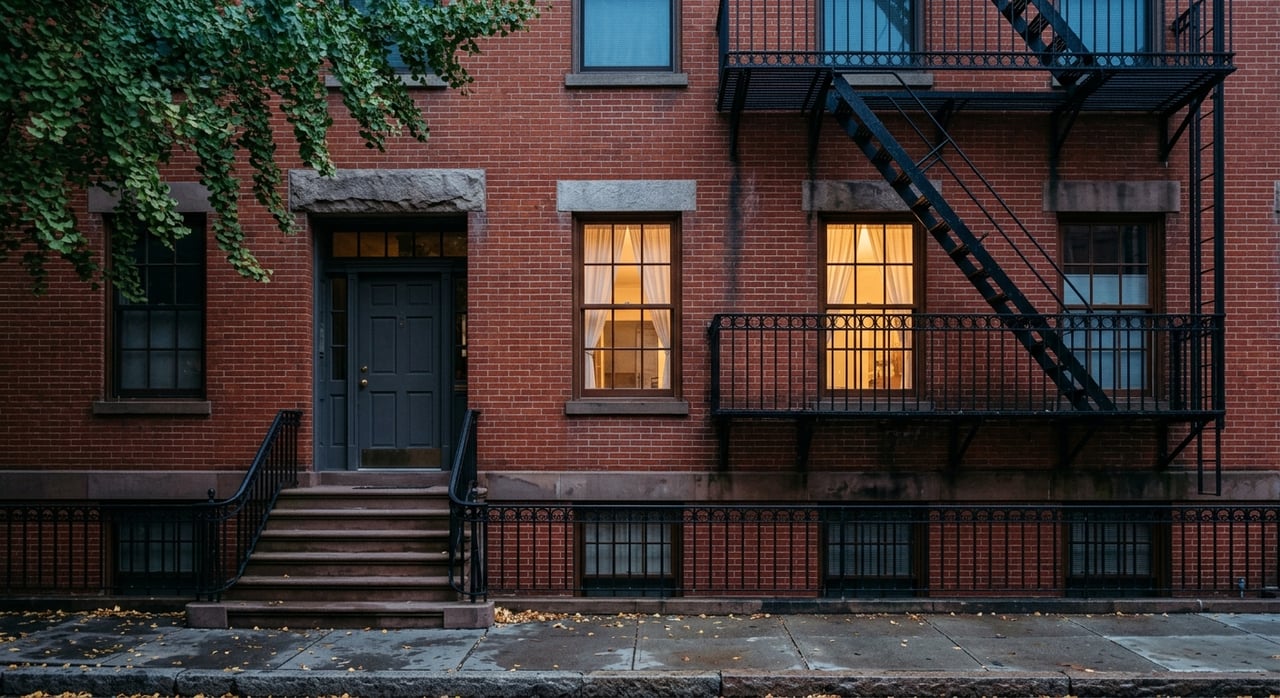
At the same time, the neighborhood is not one-note. Alongside the busy avenues and nightlife corridors, there are blocks with preserved low-rise buildings, tree-lined streets, and older architectural details that give parts of the area a calmer and more residential feel.
Nightlife Still Shapes the Neighborhood
Nightlife remains one of the East Village’s defining traits. Local coverage continues to highlight dives, tiki bars, late-night hangouts, record stores, tattoo shops, and vintage shopping as part of the neighborhood’s identity.
St. Mark’s Place still acts as one of the clearest examples of that energy. It is a short stretch, but it captures a lot of what people imagine when they think about the East Village: busy sidewalks, casual spots, eclectic storefronts, and plenty of activity.
The nearby Lower East Side and Bowery add even more to that mix. Together, those adjacent areas reinforce the East Village’s reputation as a place where live music, bars, and downtown culture remain part of everyday life.
East Village Dining Is Exceptionally Diverse
If food matters to you, the East Village stands out even by Manhattan standards. Eater’s 2025 guide describes it as one of the city’s most diverse dining neighborhoods, with a wide range of cuisines packed into a relatively small area.
You can find Mexican, South American, Dominican, Korean, Tibetan, Philippine, Thai, Italian, and Chinese options, among others. That range is part of what makes the neighborhood feel so active and layered.
St. Mark’s Place is one of the easiest places to see that variety in action. In a short walk, you can get a real sense of how much culinary range the neighborhood offers.
The Arts Presence Is Still Strong
The East Village is not just historic in a nostalgic sense. It still has active creative infrastructure that shapes the neighborhood today.
The East 4th Street Cultural District alone includes 14 arts groups, 10 cultural facilities, and 22 performance and rehearsal venues. According to FABnyc, it has more active cultural space per square foot than any other block in New York City.
That matters because it gives the neighborhood a creative feel beyond its restaurant and bar scene. Even on blocks that are mainly residential, the East Village can still feel arts-facing and culturally active.
Quieter Corners and Green Space
Even in a neighborhood known for intensity, you can still find places to slow down. Tompkins Square Park remains the area’s best-known green space and a central part of the everyday neighborhood experience.
For a different kind of outdoor break, Stuyvesant Cove offers a quieter waterfront setting just north of 14th Street, with ferry access nearby. That makes it a useful option when you want a calmer walk without leaving the broader area.
There are also smaller moments of quiet built into the streetscape itself. StreetEasy notes pockets of beautiful architecture and tree-lined streets, while preservation groups point to surviving historic features like Stuyvesant Street and the low-rise core near Second Avenue and East 2nd through East 7th Streets.
Housing Stock: Older Buildings Define the Market
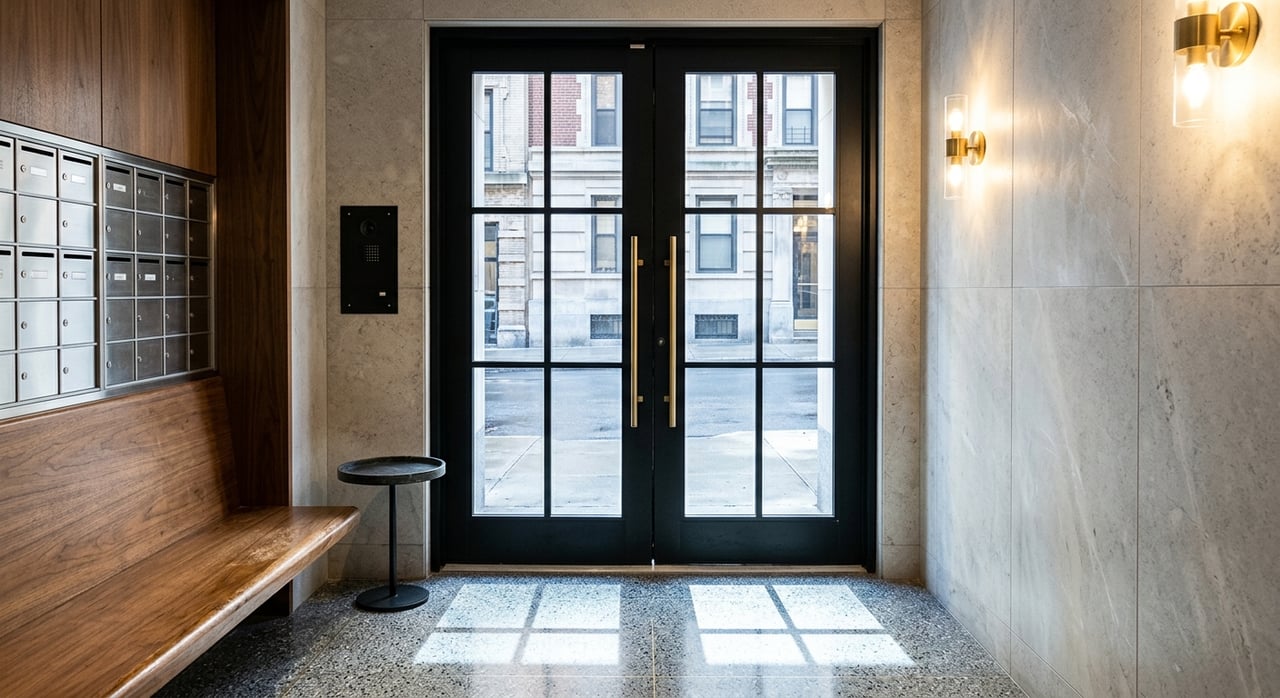
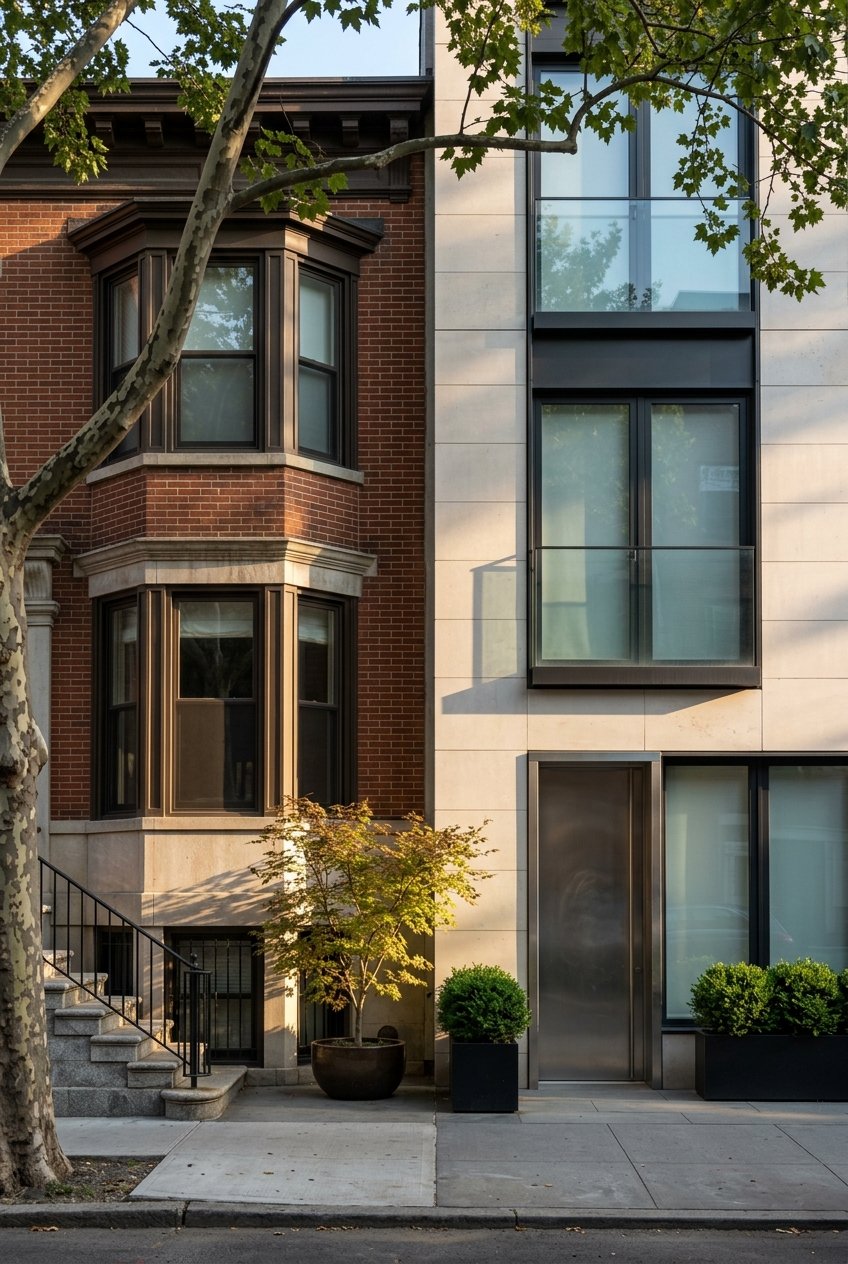
The East Village housing story starts with one fact: older walk-up buildings still dominate the neighborhood. StreetEasy describes the area as largely prewar, with many apartments in older tenement buildings and relatively few new condos.
That means your housing search here often looks different from your search in amenity-heavy parts of Manhattan. Many apartments are smaller, some may need updates, and full-service or newer-construction options are less common.
For many buyers and renters, that is part of the appeal. The neighborhood’s historic fabric, low-rise scale, and established streetscape give it a texture that newer areas cannot easily replicate.
What Buyers Can Expect
If you want to buy in the East Village, you will find ownership options, but they sit on top of that older housing base rather than replacing it. In practical terms, the neighborhood includes co-op ownership, some newer condos or conversions, and other multifamily buildings shaped by the area’s prewar history.
Recent city housing activity shows that new housing creation and conversion projects are still happening in the neighborhood. That includes affordable co-op conversions and a proposed affordable housing development near Tompkins Square Park and the 2nd Avenue subway.
For buyers, the key is to go in with realistic expectations about product type. In many cases, you are evaluating layout, building condition, and location trade-offs more than you are comparing long lists of amenities.
What Renters Should Know
For renters, the East Village often means access to a very walkable lifestyle in exchange for older building stock and smaller footprints. If your priority is being close to restaurants, nightlife, transit, and downtown culture, the neighborhood can deliver that in a big way.
If your priority is a newer building with extensive amenities, larger layouts, or a more insulated feel, the East Village may feel more limited. A lot of the inventory reflects the neighborhood’s age, and that shapes the rental experience.
This is why the East Village tends to attract people who value location and atmosphere first. The lifestyle offering is a major part of the value proposition.
East Village Prices and Market Reality
The neighborhood remains expensive, even by the standards of an active Manhattan market. StreetEasy reports a median sale price of $920,000 and a median base rent of $4,650, while Realtor.com reports a median listing price of $1.149 million and a median rent of $5,000 as of April 2026.
Because those sources use different methods, it is smarter to treat them as a planning range instead of one exact answer. They still point to the same conclusion: the East Village is premium-priced, but it is not a uniform market.
There may also be more room for buyers to evaluate options than in a faster-moving neighborhood. Realtor.com characterizes the East Village as a buyer’s market, with homes selling at about 97% of asking price and a median of 70 days on market.
The Core Trade-Offs
If you are deciding whether to live in the East Village, the trade-offs are fairly clear. You get strong walkability, a deep dining scene, nightlife, park access, and a neighborhood identity that still feels distinct within Manhattan.
In return, you should expect older buildings, more walk-ups, smaller apartments, and fewer newer full-service properties than in some other submarkets. For many people, that is a worthwhile exchange because the neighborhood offers an experience that feels uniquely downtown.
The right fit often comes down to lifestyle. If you want calm, full-service living and a quieter pace, other neighborhoods may align better. If you want character, convenience, and a more social day-to-day rhythm, the East Village continues to make a strong case.
Why Guidance Matters Here
The East Village can be deceptively simple at first glance. On paper, it is a compact Manhattan neighborhood with older housing stock and strong demand, but in practice, apartment-by-apartment differences can be meaningful.
That is especially true when you are weighing co-op versus condo options, older building conditions, renovation needs, or the trade-offs between a quieter block and a more active location. A measured, neighborhood-specific approach can help you focus on what fits your priorities rather than chasing a generic idea of downtown living.
If you are considering a move in Manhattan and want practical guidance on East Village inventory, pricing, and fit, The Shapot Team can help you evaluate your options with clear, informed advice.
FAQs
What is daily life like in the East Village today?
- Daily life in the East Village is typically busy, walkable, and social, with steady activity around restaurants, shops, nightlife spots, and transit throughout the day and evening.
What types of homes are common in the East Village?
- The East Village is still dominated by older prewar walk-up buildings, including tenement-style housing, with fewer newer condos and less full-service inventory than many other Manhattan neighborhoods.
What is the East Village known for besides nightlife?
- The East Village is also known for its diverse dining scene, strong arts presence, preserved low-rise historic blocks, and access to green spaces like Tompkins Square Park and Stuyvesant Cove.
What should buyers expect in the East Village market?
- Buyers should expect a premium Manhattan market with co-op and condo opportunities, older building stock, and apartment-level trade-offs related to layout, condition, and location.
What should renters know about living in the East Village?
- Renters should know that the neighborhood offers a highly walkable downtown lifestyle, but often with smaller apartments, older buildings, and fewer newer amenity-rich options.
Is the East Village a good fit for a quieter lifestyle?
- The East Village is generally a better fit for people who want an energetic downtown environment, though some tree-lined and historic blocks can feel calmer than the main nightlife corridors.