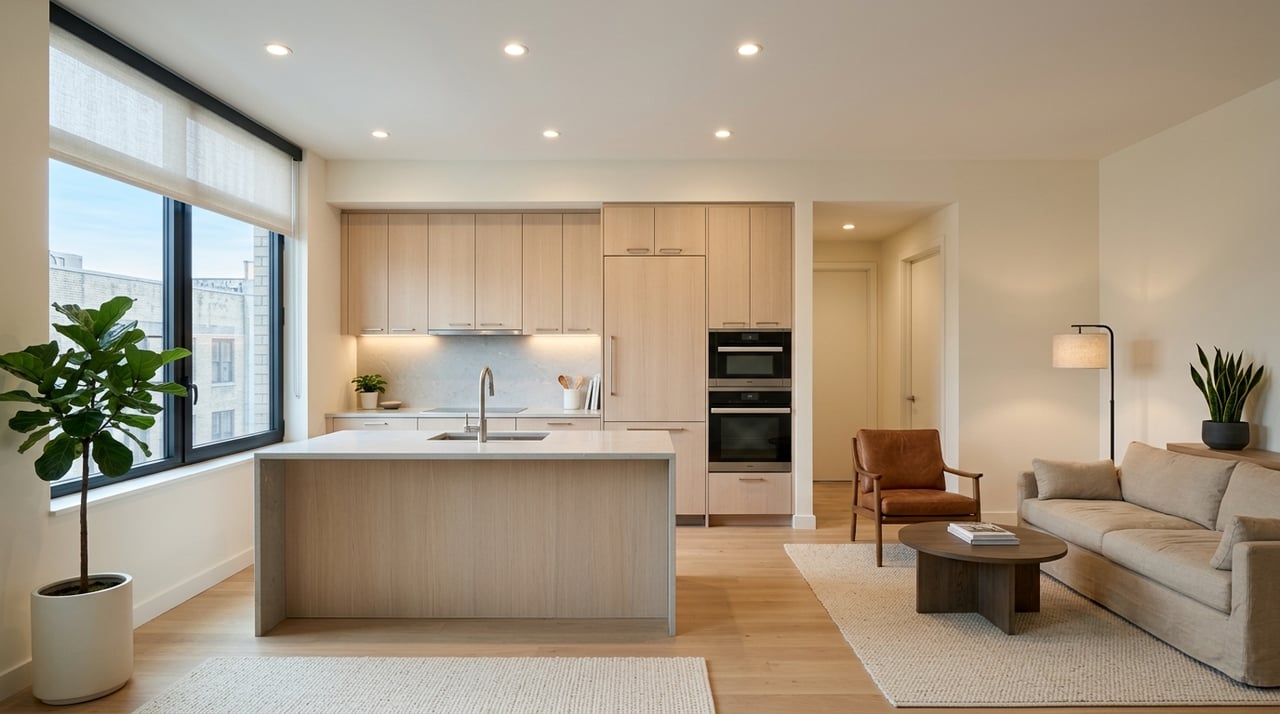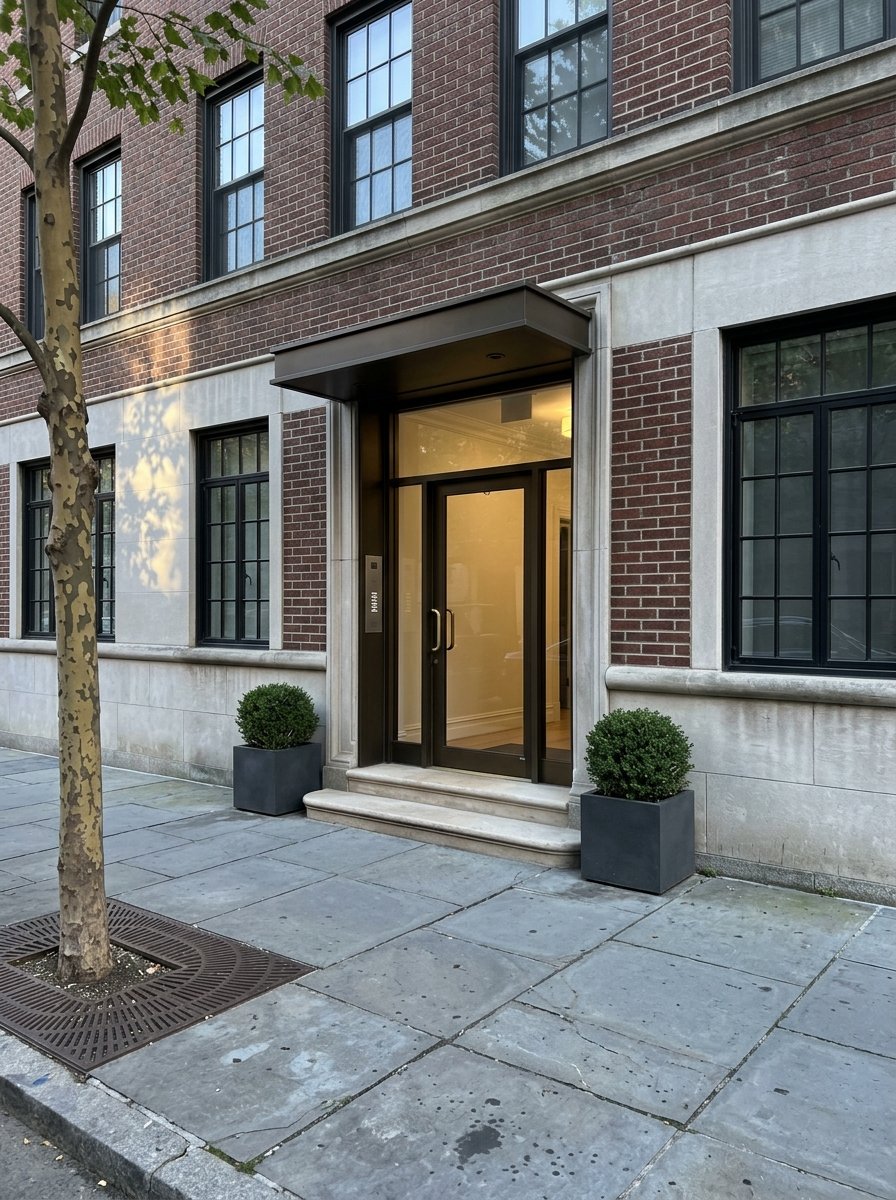
If you are thinking about trading extra space for a calmer, simpler Manhattan lifestyle, Gramercy Park may already be on your radar. Downsizing can feel exciting and overwhelming at the same time, especially when you add co-op rules, board review, and timing concerns to the mix. The good news is that with the right plan, you can make a smaller move without feeling boxed in by the process. Let’s dive in.
Why Gramercy Park Appeals to Downsizers
Gramercy Park stands apart in Manhattan for a reason. The area is built around the city’s only privately maintained park, and the district still holds much of the quiet, historic character noted by the Landmarks Preservation Commission. At the same time, you are still within easy reach of Union Square and several subway lines.
That mix can be especially appealing if you want less space but do not want to give up convenience. In practical terms, downsizing here often means choosing a home that feels more manageable while staying connected to the energy of downtown Manhattan. For many buyers, that balance is the whole point.
What Gramercy Park Co-op Prices Look Like
A downsizing search works best when you begin with realistic numbers. As of March 2026, PropertyShark reported a median home sale price of $915K in Gramercy Park, with a median price per square foot of $1,124 and 45 transactions. In that same report, co-ops posted a median sale price of $712K, while condos came in at $1.6M.
That price gap matters. If you are moving from a larger Manhattan home and want to preserve cash, lower monthly risk, or simply buy more thoughtfully, a co-op may offer a more comfortable entry point than a condo in the same general area.
Still, Gramercy Park is not a one-price neighborhood. Park-adjacent blocks tend to command the highest asking prices, while areas farther east often include walk-ups and rentals that can be relatively less expensive. That means your budget can stretch differently depending on the exact block, building type, and condition of the apartment.
Why Co-ops Fit Many Downsizing Plans
For many Manhattan buyers, downsizing is not just about spending less. It is also about reducing upkeep, simplifying daily life, and choosing a building with a certain pace and feel. Gramercy Park co-ops often align with those goals because they are commonly housed in older buildings with established rules, steadier expectations, and a more traditional ownership structure.
There is a trade-off, though. StreetEasy notes that co-ops are generally less expensive than condos, but they come with a more intensive approval process. For some downsizers, that added review is worth it if the result is a quieter, more settled building and a lower purchase price.
Plan Your Sale and Purchase in Stages
One of the biggest mistakes downsizers make is treating the move like one single event. In Manhattan co-op deals, it is usually smarter to think in stages. You may sell one home, go into contract on another, prepare a board package, wait for board review, interview, and then close.
That matters because co-op board review can add time that is hard to predict down to the day. StreetEasy reports that buyers typically have about 10 days after contract signing to submit the board package, and many buildings require an interview before closing. Since package requirements and timelines are not standardized, it is wise to build in a cushion.
A staged plan can help you avoid unnecessary pressure. If you are coordinating a sale, a purchase, and a move at the same time, extra time between milestones can make the entire transition feel much more manageable.
What Co-op Boards Usually Want to See
Co-op boards tend to focus heavily on documentation. According to StreetEasy, many buildings ask for tax returns, W-2s, reference letters, pay stubs or proof of employment, financial statements, and loan documents or recognition agreements if financing is involved.
For downsizers, the financial story matters as much as the paperwork itself. Boards often want to understand not only whether you can close, but also how comfortably you can carry the apartment after closing. That is why preparing early can make such a difference.
Cash After Closing Matters
One of the most important co-op concepts is post-closing liquidity. StreetEasy says boards often want to see enough liquid funds to cover mortgage and maintenance for one year after closing, and some more exclusive buildings may want roughly two years.
That does not mean every building applies the same formula. It does mean you should expect your available cash and reserves to be examined closely. If part of your net worth is tied up in retirement accounts, keep in mind that those accounts are not always treated as liquid assets.
Retirement Income Can Still Qualify
If you are retired or no longer receiving W-2 income, that alone should not disqualify you. New York City’s Human Rights Law covers cooperatives and condominiums, and age is a protected class. A board should not reject a buyer simply because the buyer is older or retired.
In practice, the issue is usually documentation, not age. Boards often want clear proof of stable non-wage income, accessible reserves, and a believable plan for covering monthly carrying costs. If you are downsizing after many years in a larger home, clean and organized financial records can go a long way.
How Long Board Review Can Add
There is no single timeline that applies to every Gramercy Park co-op. Board package requirements vary by building, and review timing depends on how quickly documents are assembled, submitted, and accepted. Interviews can also add another step before closing.
What you can say with confidence is that co-op review usually adds a layer that does not exist in the same way in a typical condo purchase. StreetEasy also shows a 55-day median sales days on market for the neighborhood, which suggests activity is steady but not instant. For downsizers, that is another reason to leave room in your timeline rather than trying to line up every moving part perfectly.
Move-In-Ready or Renovation?
This is one of the most important decisions for downsizers in Gramercy Park. A move-in-ready apartment may cost more upfront, but it can reduce the stress, time, and uncertainty that often come with renovation. If your goal is to simplify life, that premium may be worth serious consideration.
A renovation can still make sense if the layout, light, or location is a strong fit. But in Gramercy Park, renovation is not just about design taste or construction cost. It can also involve building approvals and landmark-related review.
Why Landmark Rules Matter Here
The Landmarks Preservation Commission notes that the district retains much of its original character, and most exterior changes in historic districts require LPC review. LPC permits can also be required for interior work that affects the exterior or needs a Department of Buildings permit.
That means some updates are more involved than buyers first assume. Changes tied to the facade, building envelope, vents, louvers, or other exterior-visible features may trigger LPC review even if the work seems minor from a homeowner’s perspective.
Older Housing Stock Changes the Equation
PropertyShark’s broader city analysis found that co-ops are overwhelmingly older housing stock. That matters because older apartments can offer charm and value, but they may also come with more variation in condition and renovation needs.
For a downsizer, the real question is not simply whether you can renovate. It is whether you want the additional approvals, decision-making, and timeline that may come with it. If your priority is an easier transition, a well-updated unit may be the more confident choice.
A Simple Downsizing Strategy for Gramercy Park
If you want to make this move with less stress, focus on a short list of priorities before you start touring apartments. In most cases, your strongest strategy is to balance price, building expectations, and your own comfort with timing.
Here is a practical framework to use:
- Define your monthly comfort zone, not just your purchase budget
- Ask early about board package requirements and post-closing liquidity expectations
- Keep your financial records organized before you make offers
- Decide whether you want a project or a simpler move-in-ready home
- Leave a buffer between contract, board review, and your move
- Evaluate the exact block, not just the neighborhood name
That last point is especially important in Gramercy Park. Since pricing and housing stock can change noticeably from one micro-location to another, a good fit often comes down to matching your lifestyle goals with a very specific building and block.
Why Confidence Comes From Process
Downsizing in Manhattan is emotional as well as financial. You may be leaving a home where you spent years, while also trying to make a smart next move for comfort, convenience, and long-term flexibility. When the purchase is a co-op in Gramercy Park, confidence usually comes from having a process that respects both the numbers and the board-driven realities of the market.
That is where measured guidance matters. A calm plan, realistic timing, and board-ready preparation can help you move forward without unnecessary surprises. If you are considering a smaller home in Gramercy Park and want a strategy tailored to your timing, finances, and building options, The Shapot Team can help you plan your next move with clarity.
FAQs
How much cash should you keep after buying a Gramercy Park co-op?
- Many co-op boards want to see enough liquid funds to cover mortgage and maintenance for one year after closing, while some may expect closer to two years.
Can a retired buyer purchase a Gramercy Park co-op without W-2 income?
- Yes. Boards typically focus on documented income sources, cash flow, and accessible reserves rather than W-2 income alone.
How long can board review add to a Manhattan co-op purchase?
- It varies by building, but board review usually adds time beyond a standard condo-style purchase because buyers often need to submit a package, wait for review, and complete an interview before closing.
Which Gramercy Park apartment updates may require LPC review?
- Exterior changes in the historic district, plus some interior work that affects the exterior or requires a DOB permit, may need LPC review.
Is a move-in-ready Gramercy Park co-op worth the premium for downsizers?
- For many downsizers, yes, because a move-in-ready home can reduce renovation decisions, approval layers, and timing uncertainty in a landmark district.