Choosing between a classic Upper East Side co-op and an updated one is not just about style. It is about how you want to live, how much work you want to take on, and how comfortable you are evaluating the building behind the apartment. If you are trying to decide which path fits your goals, this guide will help you compare layout, upkeep, budgeting, and day-to-day livability on the Upper East Side. Let’s dive in.
Why this choice matters on the Upper East Side
The Upper East Side is an apartment-dense Manhattan neighborhood where building era still shapes what you can buy and how it feels to live there. According to the NYU Furman Center’s 2025 profile, the neighborhood has 141,670 housing units, a 37.9% homeownership rate, and a 90.3% car-free commute share.
The area also has a wide range of housing stock. StreetEasy describes the Park-to-Fifth corridor as the neighborhood’s priciest co-op zone, while the eastern side toward Yorkville tends to be more moderate. Updated homes do exist, but they are only one layer of the neighborhood, with thousands of units in larger buildings added between 2010 and 2025.
Co-ops are a major part of the conversation here. StreetEasy says co-ops make up about 75% of New York City housing stock, and CityRealty notes that classic six homes are especially common in prewar cooperatives on the Upper East Side. That means buyers here are often choosing between historic charm and a more turnkey setup.
What defines a classic co-op
On the Upper East Side, “classic” usually points to a prewar co-op. In New York City listing language, prewar generally means built before World War II.
A classic six is one of the best-known examples. CityRealty describes it as a layout with a living room, formal dining room, kitchen, two full bedrooms, and a maid’s room. These homes often offer a more traditional division between public and private space.
Classic prewar homes are often loved for their proportions and detail. Brick Underground notes that they may include ceilings of at least 9.5 feet, hardwood floors, moldings, cornices, and sometimes fireplaces. You may also find thicker walls and room separation that creates a more formal, quieter feel.
What defines an updated co-op
An updated co-op can mean two things on the Upper East Side. It may be a postwar apartment in a building with a more functional layout, or it may be a renovated apartment in an older building that has already had major interior work completed.
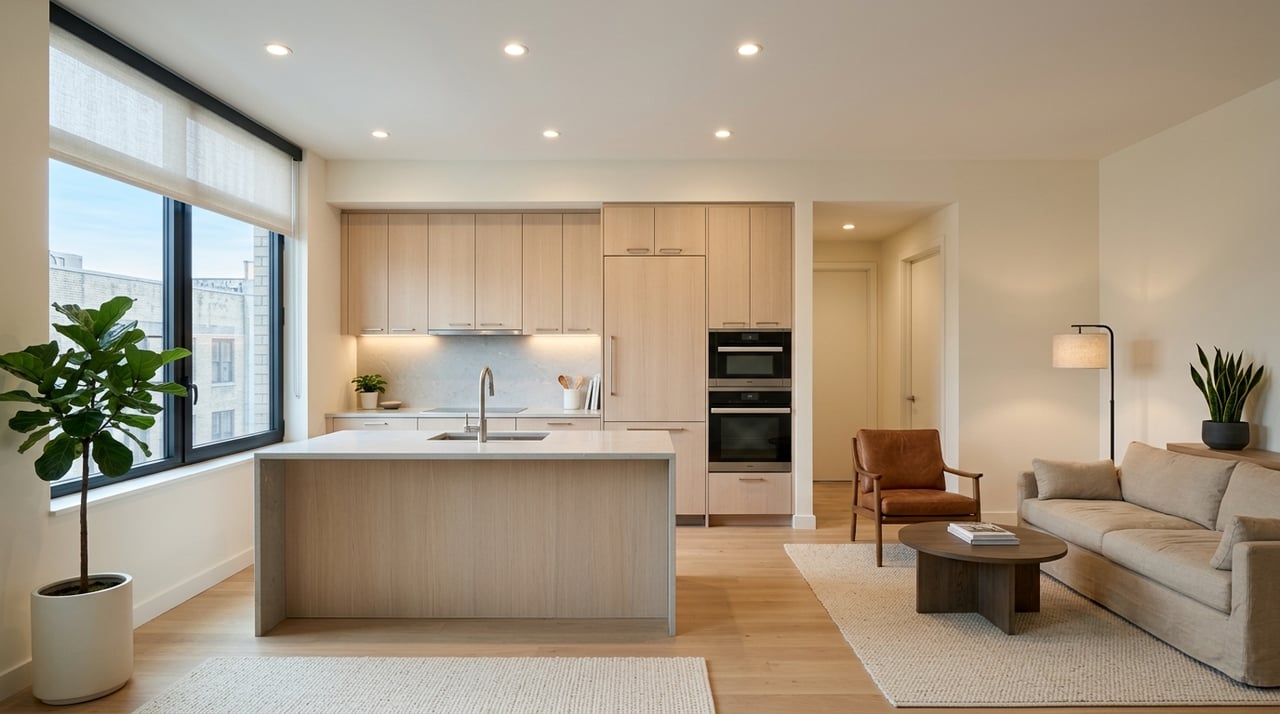
CityRealty and Brick Underground describe postwar apartments as more predictable and practical in layout. Common features include larger windows, generous closets, elevators, laundry rooms, and in some buildings, gyms, parking, or outdoor space.
These homes often feel easier to move into right away. If the apartment has already been renovated, you may get a cleaner finish, a more current kitchen or bath, and less immediate project management after closing. The tradeoff is that you may see less of the ornamental detail many buyers associate with the Upper East Side.
Layout and feel: tradition versus function
One of the biggest differences is how the apartment lives day to day. Classic co-ops often have separate rooms for separate purposes, including formal dining areas and more defined circulation between entertaining space and private bedrooms.
That setup can feel elegant and spacious, especially if you value distinct rooms over one open main area. Larger rooms and higher ceilings can also make a home feel more gracious, even if the kitchen or bathrooms are not oversized.
Updated and postwar homes often lean more practical. Brick Underground notes that postwar units may include junior-four layouts and long living rooms that can sometimes be adapted into an office or second bedroom. If you want flexibility without a major renovation, that can be a real advantage.
Character and architectural detail
If you are drawn to original architecture, classic co-ops usually have the edge. Prewar homes are often where you find decorative moldings, hardwood floors, plaster walls, and a more layered visual character.
That character is a big reason many buyers focus their search on older Upper East Side buildings. In a neighborhood known for historic depth and established blocks, the architecture itself can be part of the appeal.
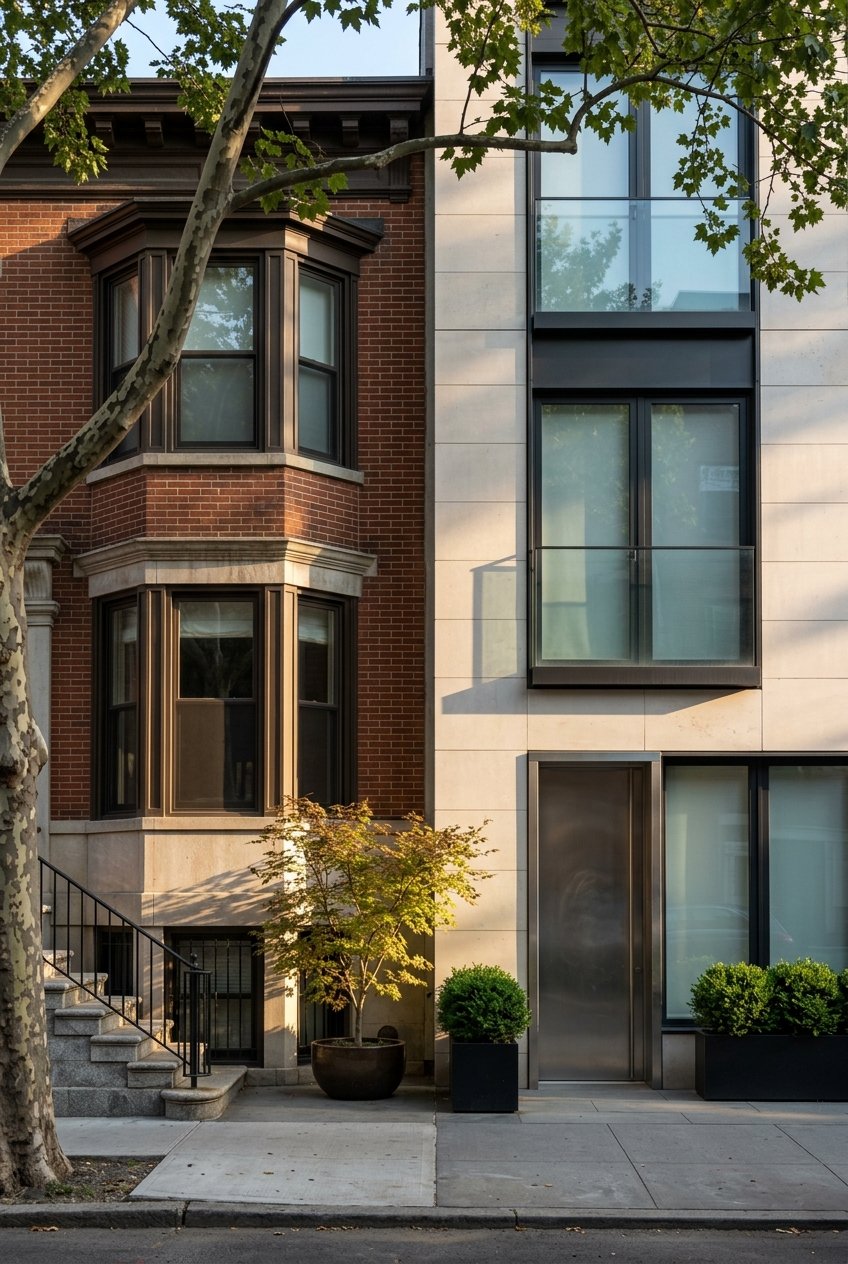
Updated homes can still be beautiful, but the beauty is often different. Instead of ornament and historic detail, you may get cleaner lines, more standardized finishes, and a layout built around convenience. For some buyers, that is exactly the point.
Renovation and building systems
This is where the classic-versus-updated choice gets more practical. Older co-ops may offer better bones and more charm, but they can also come with older kitchens, smaller baths, limited central air, and less support for in-unit washer and dryer setups.
Brick Underground and CityRealty also note that older electrical and plumbing systems may need upgrades during renovation. That does not mean every classic apartment needs major work, but it does mean you should look beyond finishes and ask what has already been updated.
If you are considering an updated home, the main benefit is usually less near-term work. You may still need to evaluate the building’s systems and capital needs, but you are less likely to start your ownership period with an immediate renovation plan.
Budgeting goes beyond the purchase price
With co-ops, the budget conversation is broader than the contract price. The New York State Attorney General explains that when you buy a co-op, you are purchasing shares in a corporation and receiving a proprietary lease, and your monthly maintenance is tied to the shares allocated to the apartment.
StreetEasy says maintenance typically covers staff, building maintenance, the underlying mortgage, insurance, cleaning, and New York City property taxes. It is set by the board, not negotiated apartment by apartment.
That monthly cost is often one of the biggest deciding factors between two otherwise similar homes. A classic apartment with a lower purchase price but higher maintenance or upcoming capital work may not be the better long-term fit for your budget.
Why building finances matter so much
The apartment matters, but the building matters just as much. The New York State Attorney General recommends reviewing the offering plan carefully and consulting an attorney because you are evaluating both the unit and the building’s physical and financial condition.
For older buildings in particular, expensive work can involve facades, roofs, elevators, plumbing, electrical systems, and boilers. CityRealty adds that major repairs can lead to assessments that temporarily raise monthly costs by a large amount.
This is one reason buyers should not rely on era labels alone. A beautifully updated apartment in a building with unresolved capital needs may carry more risk than a less polished apartment in a well-run co-op with strong financials and recent improvements.
Health and maintenance considerations in older homes
Older homes can also raise questions about age-related conditions. NYC Department of Health and Mental Hygiene data show that 2.1% of old homes on the Upper East Side had peeling paint in 2017.
The same city health profile notes that lead paint was banned from household paints in New York City in 1960 and across the United States in 1978. That makes due diligence especially important when you are considering a pre-1960 apartment that has not been fully updated.
At the neighborhood level, the Upper East Side falls in the lower third for cracks, leaks, mice or rats, and cockroaches, which suggests relatively good housing conditions overall. Still, individual buildings vary, so building-specific review remains essential.
Which type of co-op fits your lifestyle?
Classic co-ops often fit buyers who value architecture, separate rooms, and the idea of shaping a home over time. If you can tolerate renovation planning or some system upgrades, you may gain space, charm, and a layout that feels distinctly Upper East Side.
Updated or postwar co-ops often fit buyers who want a smoother move-in experience. If your priority is minimizing projects, gaining more storage, or using a flexible layout right away, an updated home may line up better with your goals.
Neither category is automatically better. In practice, your best choice usually depends on three things: your tolerance for renovation, your monthly budget comfort, and the quality of the building’s finances and recent capital work.
A simple way to compare options
When you tour Upper East Side co-ops, it helps to compare them with the same checklist each time. That keeps emotion from taking over too early and helps you focus on total ownership fit.
Use questions like these:
- How much original detail matters to you?
- Do you want separate rooms or a more flexible layout?
- Are the kitchen, baths, and electrical systems already updated?
- What is the monthly maintenance, and what does it cover?
- Has the building completed major work on the facade, roof, elevators, plumbing, or boiler?
- Are there current or likely assessments?
- How much renovation work are you realistically willing to manage after closing?
A thoughtful comparison process matters in any Manhattan purchase, but especially in co-ops where board review, monthly costs, and building health all shape the ownership experience.
If you are weighing a classic prewar co-op against an updated alternative on the Upper East Side, the right answer is usually not just about taste. It is about buying a home and a building that fit your priorities, timeline, and risk tolerance. For clear, board-savvy guidance on comparing options and navigating the process, connect with The Shapot Team.
FAQs
What is a classic six co-op on the Upper East Side?
- A classic six usually includes a living room, formal dining room, kitchen, two full bedrooms, and a maid’s room, and it is especially common in prewar Upper East Side cooperatives.
What is the difference between a prewar co-op and a postwar co-op in Manhattan?
- Prewar co-ops often offer higher ceilings, separate rooms, and architectural detail, while postwar co-ops tend to have more practical layouts, larger windows, and features like better storage or building amenities.
What does co-op maintenance cover in New York City?
- Co-op maintenance typically covers staff, building maintenance, the underlying mortgage, insurance, cleaning, and New York City property taxes.
What should you review before buying an Upper East Side co-op?
- You should review the offering plan, building financial reports, board minutes, and any information about violations or major capital projects, since you are evaluating both the apartment and the building.
Are updated Upper East Side co-ops always a better value than classic ones?
- Not necessarily, because value depends on the apartment’s condition, the monthly maintenance, the building’s finances, and whether major repairs or assessments may affect your total cost of ownership.