Moving to Midtown East for a new role and a firm start date can feel like a sprint. You want a home near Grand Central, a smooth closing, and no surprises. The reality in 10022 is that building approvals, board rules, and timelines drive everything. In this guide, you’ll learn how to choose between co-ops and condos, map your housing plan to your start date, and budget with confidence. Let’s dive in.
Why 10022 works for corporate moves
Midtown East’s 10022 ZIP puts you close to major offices and commuter lines. Grand Central is the neighborhood’s anchor, serving the 4, 5, 6, 7 and S subways and Metro-North rail, which keeps commute times predictable if your office is near Park Avenue or the 42nd to 53rd Street corridors. You can confirm train lines and location details on the official site for Grand Central Terminal.
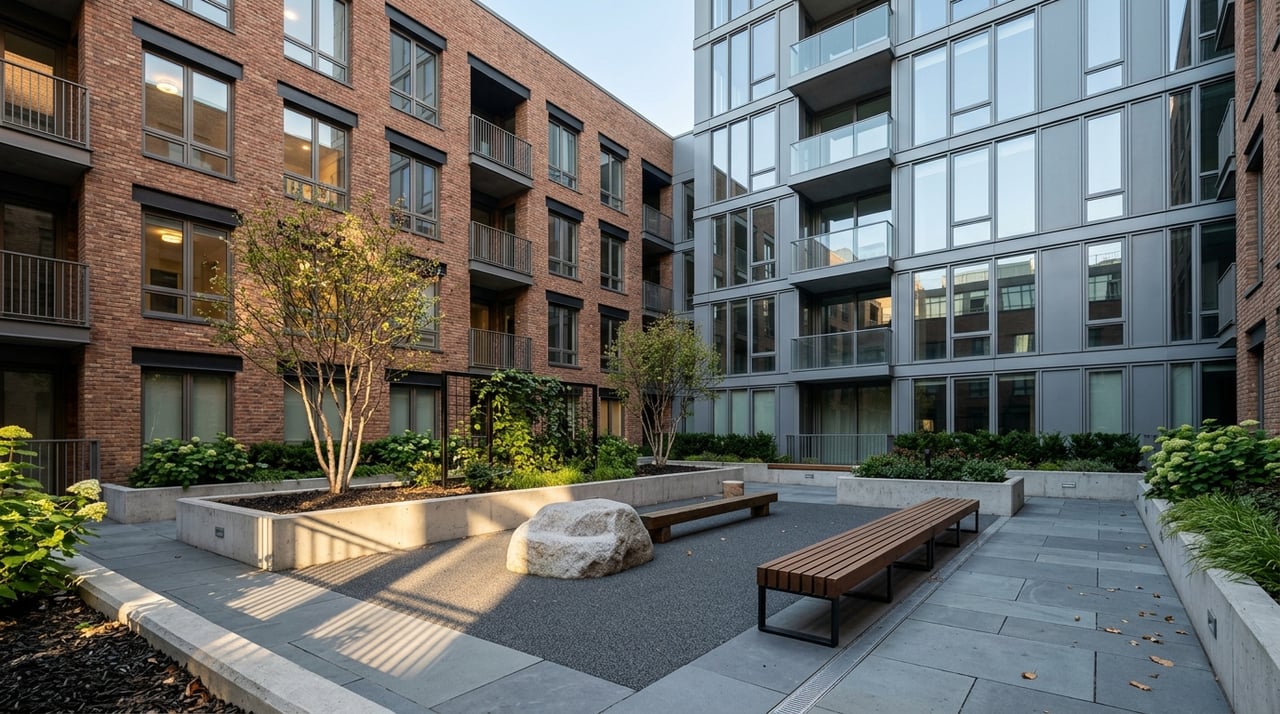
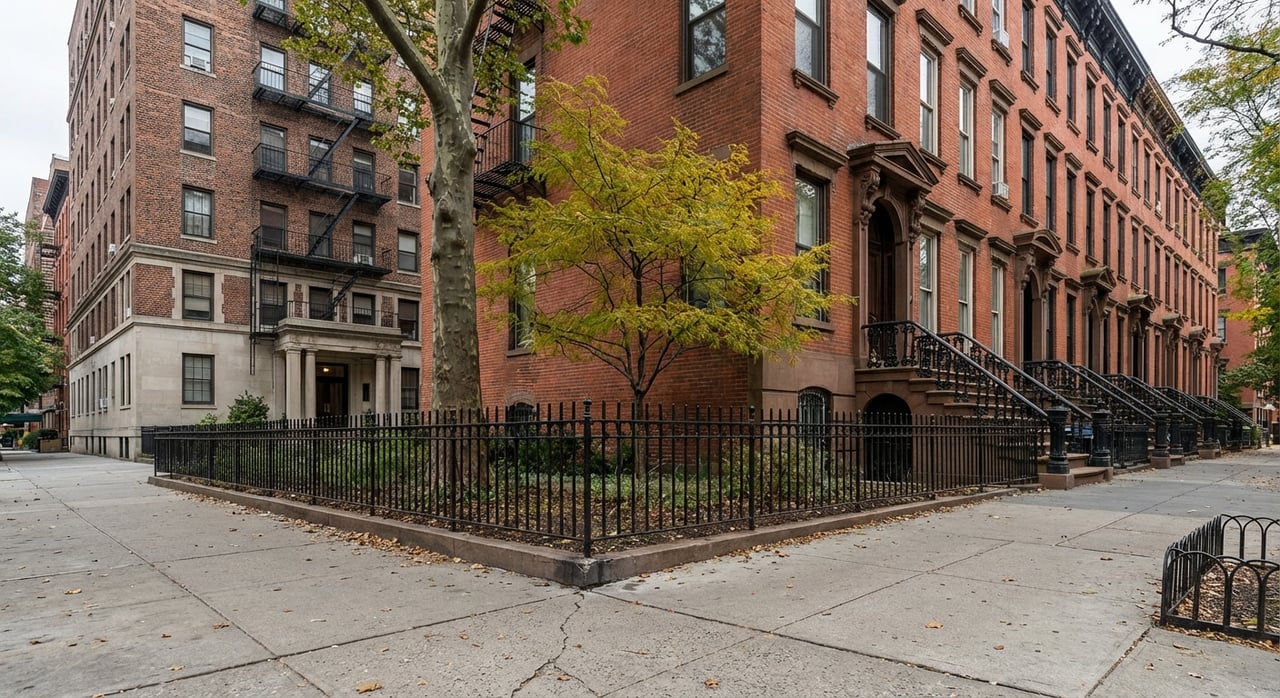
Housing in 10022 is a blend of prewar co-ops and newer luxury condos. That mix shapes how fast you can close and what buildings will require from you. For a quick neighborhood snapshot, including boundaries and housing composition, review the 10022 ZIP overview.
Short-term housing near Grand Central is competitive. Demand spikes when companies onboard new hires or transfers in waves, so plan for temporary housing if your start date is near.
Co-op vs condo in Midtown East
What you own and who approves
In a co-op, you buy shares in a corporation and receive a proprietary lease for your unit. The building’s board reviews a detailed application and can approve or decline buyers, within fair-housing laws. In a condo, you receive a deed, submit a lighter application, and the board typically has a right of first refusal instead of a full approval vote. For a clear, plain-English primer, see this overview of co-ops and condos.
Timelines you can actually hit
Timing often decides the play. A financed co-op purchase typically runs about 8 to 13 weeks from contract to closing, with cash or sponsor deals sometimes faster, according to this co-op closing timeline. Condos usually close faster because approvals are more mechanical and there is no discretionary interview, with many deals completing in roughly 4 to 8 weeks if documents and financing are ready, as outlined in this co-op vs. condo comparison.
Money requirements and closing costs
Co-ops commonly require a minimum of about 20 percent down, and many buildings want higher. Many also expect buyers to show 1 to 2 years of post-closing liquidity that covers mortgage and maintenance. These norms are detailed in this guide to co-op financial requirements.
Monthly charges work differently by ownership type. Co-op maintenance often includes the building’s property tax share and any building mortgage debt. Condo common charges do not include unit property taxes, which you pay separately. That difference changes both monthly cash flow and tax deductions. For a quick explainer, see this primer on co-ops vs condos.
Closing costs also vary. Condo buyers usually pay mortgage recording tax and title insurance. Co-op buyers skip those two line items but may encounter a seller flip tax in some buildings. On deals over $1 million, those differences are material, so build them into your budget early.
Start-date decision framework
If your start date is in 6 to 8 weeks or less
Plan for temporary housing and a rental search first. Expect high rents in Manhattan, with recent averages around 4,900 dollars per month, per the MNS Manhattan Rental Market Report. Use corporate housing or an extended-stay option for the first 1 to 3 months while you shop and submit applications.
If your start date is 8 to 12 weeks away
A condo purchase may be feasible if you have mortgage pre-approval and documents ready to go. A co-op is still risky on this timeline unless it is a sponsor unit or the building is known for fast processing. Build buffer time for building schedules and holidays.
If your start date is 12 to 20 plus weeks away
A co-op purchase becomes practical, especially if you assemble your board package immediately and your lender is responsive. Many financed co-op deals close in 8 to 13 weeks. Add 2 to 4 weeks of contingency time in case the board meets infrequently or asks follow-up questions.
A predictable plan from offer to keys
Follow this step-by-step approach to reduce surprises.
- Pre-approval and paperwork
- Get a lender pre-approval that matches your target building type. Some lenders are stronger on co-ops.
- Start your co-op board package early if you might buy a co-op. Typical items include 1 to 3 years of tax returns, bank statements, bank verification letters, employment verification, personal and professional reference letters, and a signed purchase agreement. Expect 1 to 3 weeks to assemble a clean package. See the co-op board package checklist for specifics.
- At contract
- Assemble and proof your application promptly. Submit a single, well-labeled PDF, and confirm the managing agent’s intake process to avoid delays.
- If you are financing, coordinate appraisal and condo/co-op questionnaires right away.
- Bridge the gap if timing is tight
- Consider a negotiated seller rent-back. A short post-closing occupancy agreement can give you immediate move-in while the seller transitions out. It should specify daily rent, security deposit, insurance and indemnities, utilities, and penalties for holdover. This rent-back explainer outlines common terms.
- Prioritize corporate housing or an extended-stay option if your start date arrives before your closing.
- Closing coordination
- Confirm move-in rules, elevator reservations, and building fees as soon as you receive approval. Some buildings require move deposits or specific insurance certificates.
- Schedule movers only after you have a clear board approval or waiver and a firm closing date.
Budgeting monthly carrying costs
Set a realistic range before you shop. For co-ops, your monthly payment usually includes maintenance and your mortgage. Maintenance often covers the building’s property tax share and any building-level mortgage. For condos, plan for mortgage, common charges, and separate unit property taxes. Amenities, staff levels, and reserves can move monthly costs meaningfully, even within the same neighborhood.
Ask for building-specific numbers early. A newer condo with full-service amenities can carry common charges in the low thousands per month, while a modest prewar co-op may have a lower monthly maintenance figure. Always compare the total monthly outlay, not just the sticker price, and remember that co-op financing rules and liquidity standards can affect what a lender will permit.
Tips for HR and relocation teams
If you manage transfers into Midtown East, a few small policies save weeks.
- Build flexibility into start dates. Where possible, support partial remote onboarding during the first 2 to 6 weeks while housing is secured.
- Budget for 4 to 12 weeks of temporary housing. Manhattan averages run high, so size allowances accordingly using recent market data from sources like the MNS report.
- Provide a standardized employment verification letter. Co-op boards often request it and may ask to contact HR. A signed letter with title, salary, start date, and relocation support speeds review. The common items in the co-op board package checklist are a good reference.
- Create a “board-package kit.” Include bank verification templates, sample reference letters, and guidance on post-closing liquidity statements so your employee can move fast.
- Approve rent-backs as a tool. When the purchased home is the right fit but timing is tight, a short, well-drafted rent-back agreement can bridge the gap.
Quick checklists
For transferees
- Get lender pre-approval and collect 12 to 36 months of tax returns and bank statements now. Use a single, clean PDF for submissions.
- If buying a co-op, plan for a 20 percent or higher down payment and 1 to 2 years of post-closing liquidity. Expect an interview and an 8 to 13 week timeline for financed deals.
- If buying a condo, expect a generally faster closing but higher price per square foot and additional closing taxes like mortgage recording tax and title insurance.
- If your start date is under 8 weeks, prioritize corporate housing or a short-term rental while you search.
For HR and relocation teams
- Require pre-approval before house hunting and provide a standardized employment verification letter.
- Budget for temporary housing and a contingency for move-in deposits and building move fees.
- Offer an internal escalation contact to liaise with your employee’s agent or attorney if the board requests employer confirmation.
How The Shapot Team reduces risk
You deserve a plan that fits your calendar and your budget, without drama. Our team pairs local board know-how with legally informed guidance so you can make confident choices quickly. We are fluent in co-op and condo rules, board-package preparation, and timing strategies that align with firm start dates. We also coordinate closely with HR and relocation providers to streamline employment verification and approvals.
With founder-led service from a former attorney, certifications that include CRP and ABR, and a systems-driven process, we help you avoid surprises and close on time. Whether you are comparing co-op vs condo options near Grand Central or weighing a rent-back to hit a start date, we will map the path and manage the details.
Ready to build your Midtown East plan? Connect with The Shapot Team to discuss timelines, buildings, and a step-by-step strategy that fits your move.
FAQs
What is the biggest housing hurdle for Midtown East transferees?
- Co-op board approval and building-specific financial screening. These steps add time and require a detailed package, so start early and build buffer into your schedule.
How long does it take to close on a co-op vs a condo in 10022?
- Financed co-ops typically take about 8 to 13 weeks from contract to closing, while many condos can close in roughly 4 to 8 weeks when documents and financing are ready.
What down payment and savings do I need for a co-op?
- Many co-ops require at least 20 percent down and expect buyers to show 1 to 2 years of post-closing liquidity that covers mortgage and maintenance.
What documents do co-op boards usually require?
- Expect tax returns, bank statements and verification letters, employment verification, reference letters, and a signed purchase agreement. Allow 1 to 3 weeks to assemble a polished package.
What should I do if my start date is less than 8 weeks away?
- Prioritize temporary housing or a short-term lease, then pursue a rental or a condo purchase. A co-op purchase is rarely practical on that timeline.
How do monthly costs differ between co-ops and condos?
- Co-op maintenance often includes a share of building property taxes and debt, while condo common charges do not include unit property taxes. Always compare the full monthly outlay.
Can I buy in an LLC if I’m relocating for work?
- Many co-ops restrict or disfavor purchases by LLCs. Some condos or sponsor units are more flexible. Confirm building rules before you submit an offer.