Want more space without paying Midtown prices? If you are open to living north of 125th Street, Upper Manhattan may deliver the best blend of price, square footage, transit, and park access in the borough. You still get one‑seat rides to Midtown on express lines and a huge network of parks, all while paying less per square foot than central neighborhoods. In this guide, you will see the numbers, the tradeoffs, and a simple framework to decide if this area fits your goals. Let’s dive in.
What “best value” really means
“Best value” is not just the cheapest price. It is the best mix of price, space, access, and resale potential for your priorities. For many buyers and renters, that means a lower cost per square foot, larger rooms, reliable transit, and nearby parks. For others, it may mean ultra‑short commutes to the Financial District or immediate access to luxury retail. Your definition drives the answer.
For this post, we focus on Upper Manhattan neighborhoods like Hamilton Heights, Washington Heights, and Inwood, with ZIP code 10031 as a data anchor. We compare recent prices and rents to Manhattan norms, look at commute and parks, and outline housing types and buyer fit.
Upper Manhattan price snapshot
Sales prices in 10031
Recent sales data show a meaningful discount versus core Manhattan. Redfin’s ZIP‑level metric reported a median sale price of $675,000 for 10031 in December 2025. Because different vendors use different methods and time windows, single‑month medians can shift. Treat any point‑in‑time figure as a snapshot and confirm again before you act.
Price per square foot gap
StreetEasy’s area pages show Hamilton Heights asking price per square foot around $600 to $700 based on a February 2026 snapshot. Citywide Manhattan medians in early 2026 are often in the $1,300 to $1,430 per square foot range. That implies roughly a 40 to 60 percent discount in many Upper Manhattan pockets, with the exact gap varying by building type and block.
Rents at a glance
Rents tell a similar story. RentCafe reported an average rent near $3,091 in May 2025 for 10031, and RentHop’s early‑2026 active‑listing median hovered around $3,200. In practice, you should expect asking rents in the low‑to‑mid $2,000s to $3,000s depending on bedroom count, renovation level, and listing mix at a given moment.
Liquidity and leverage
Market speed can be slower than the Manhattan core. In several recent months, year‑over‑year sales and medians in Washington Heights/10031 showed softness, and days on market have often run longer than central neighborhoods. That can give buyers more room to negotiate. Conditions change quickly when a new development delivers or demand shifts, so watch current days‑on‑market and inventory as you plan.
Commute and transit access
Transit is a core part of the value case. The A and C lines on the 8th Avenue corridor and the 1 train on Broadway run through Upper Manhattan. The A offers express service, which can deliver one‑seat rides to Midtown. Typical door‑to‑door times to Midtown from Washington Heights and Hudson Heights land in the 20 to 30 minute range depending on origin station, wait time, and time of day, a pattern you will see in neighborhood primers such as the Columbia SIPA neighborhood overview.
If you work in New Jersey or visit often, Upper Manhattan also gives you straightforward access to the George Washington Bridge and the GWB Bus Terminal, which hosts private carriers and NJ Transit. That cross‑state connectivity can be a real convenience for bi‑state households, as noted in travel guides like this overview of the GWB and bus terminal area.
Parks and open space
Northern Manhattan is rich in parks, and that is not an accident. The area north of 155th Street includes a large network of hills, waterfronts, and woodlands that many central neighborhoods lack. NYC Parks groups these as “Northern Manhattan Parks,” which span hundreds of acres and include beloved destinations like Fort Tryon and Inwood Hill. You can browse the system on the Northern Manhattan Parks page.
Notable examples help explain the appeal:
- Fort Tryon Park is about 67 acres, home to the Met Cloisters and sweeping Hudson views. See the Fort Tryon Park Trust map for trails and programming.
- Fort Washington Park covers roughly 184 acres along the Hudson waterfront.
- Inwood Hill Park spans about 196 acres, including the last natural forest and salt marsh in Manhattan.
If you value morning runs, weekend picnics, or playground time, these parks can be worth a premium for the right blocks.
Housing stock: what you will find
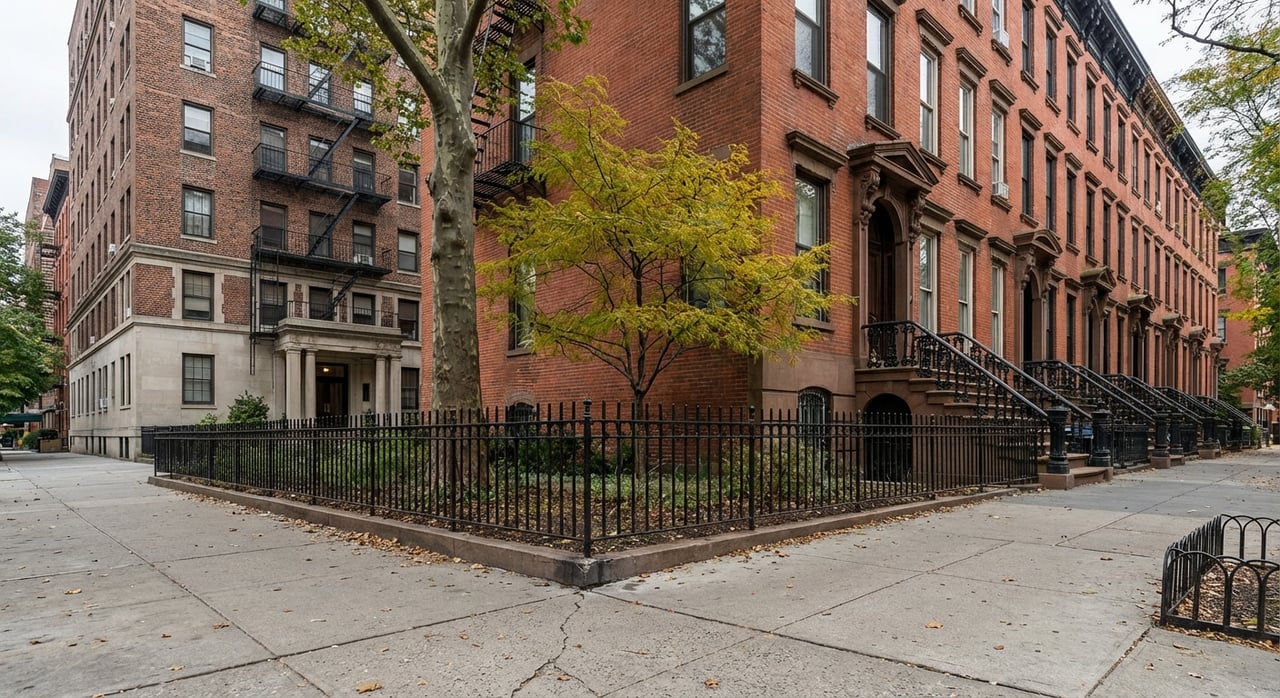
Upper Manhattan’s housing is defined by prewar multifamily buildings, many built before 1940, with a high share of 20‑plus‑unit structures. That mix means you will see more co‑ops and classic prewar floor plans, and fewer brand‑new, full‑amenity condos than in Midtown or Downtown. For a sense of the area’s structure profile, explore ZIP‑level snapshots like this 10031 housing breakdown.
Tenure also skews renter‑occupied versus owner‑occupied across the ZIP. Public summary tables show only a few thousand owner‑occupied units compared to many more renter‑occupied homes. This matters because it shapes the listing mix and can influence negotiation dynamics. For broader context on neighborhood demographics and housing tenure, you can review Census Reporter’s 10031 profile.
Co‑op vs condo realities
Because co‑ops are common here, you will likely encounter board applications, financial standards, and house rules that can differ from condos. This is not a reason to avoid the area. It is a reason to plan, compare buildings, and prepare a clean, board‑ready package. A co‑op can deliver better space per dollar if the board and rules fit your lifestyle.
Who Upper Manhattan tends to fit
You may find Upper Manhattan a strong fit if you:
- Want more square footage at a lower price per foot, especially in 1 to 3 bedroom homes.
- Value proximity to large parks and hilltop, tree‑lined streets.
- Work or study near local anchors like City College or Columbia University’s medical campus. See City College’s site for a sense of the nearby academic footprint.
- Seek an entry point for long‑term ownership in Manhattan with potential upside as demand expands north.
It also works well for renters who want a calmer neighborhood feel, quick subway access, and more flexible layouts.
Tradeoffs to weigh
No neighborhood is perfect. Consider these tradeoffs as you decide:
- Retail and dining: Fewer large clusters of luxury retail and destination dining than central Manhattan. You will still find great spots, but density varies by avenue and node.
- Commute targets: Getting to Midtown is easy on the A express. Reaching Lower Manhattan may take longer than from the Upper West Side or Upper East Side.
- Liquidity: Some products take longer to sell than in the core, so your time‑to‑sale can vary by building type and price point.
- Socioeconomic mix: Public data show higher poverty rates in parts of 10031 compared to borough averages. For neutral, fact‑based context, see Census Reporter’s ZIP profile.
The right way to approach these points is to visit at different times of day, ride the trains you would use, and compare several buildings side by side.
How to shop smart in Upper Manhattan
Use a simple, data‑informed process:
- Define your boundary. Decide if you want Hamilton Heights, Washington Heights, Inwood, or a mix. Use 10031 as a starting point, but walk blocks on both sides of key avenues.
- Compare by product type. A well‑kept prewar co‑op can price very differently than a newer condo. Track price per square foot, monthly carrying costs, reserves, and rules.
- Validate commute times. Run your route on the A, C, or 1 lines during your typical hours. If you travel to New Jersey, factor in the GWB Bus Terminal connection.
- Weigh park proximity. If Fort Tryon, Fort Washington, or Inwood Hill matter to you, map distances and hills. The Northern Manhattan Parks overview is a good planning tool.
- Watch liquidity stats. Track days on market and price reductions to understand leverage. Expect variation by block and building.
- Prepare for co‑op boards. Gather financials, references, and a clear narrative early. A board‑ready package reduces risk and time.
Tips for sellers in Upper Manhattan
- Price to the moment. Use recent nearby trades and adjust for building type and renovation level. One‑month medians can swing, so look at a 3 to 6 month window.
- Lead with strengths. Highlight square footage and park access. Many buyers start with price per foot, then confirm neighborhood feel and transit.
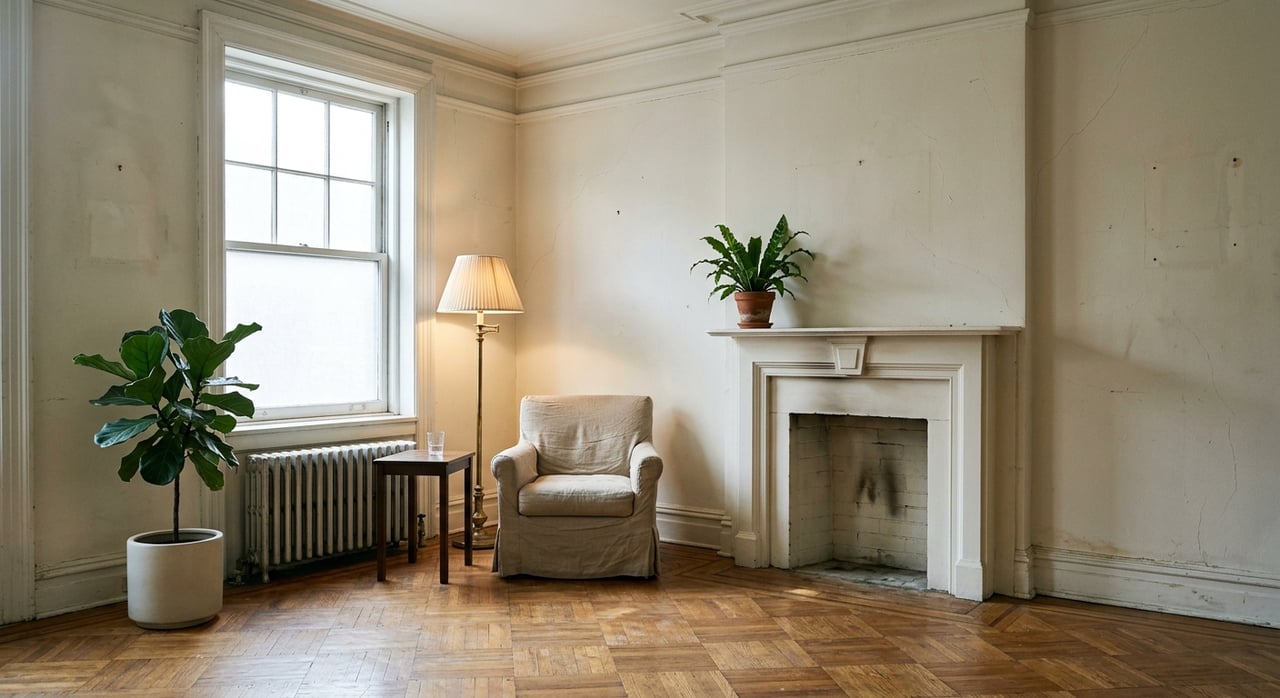
- Stage for scale. Prewar rooms show best when clutter‑free and bright. Emphasize ceiling height, arches, and storage.
- Plan for timing. Depending on product and season, expect more variability in days on market than in the Manhattan core.
Bottom line
If your priority is more space for the dollar, reliable Midtown access, and significant parkland, Upper Manhattan often delivers the best value inside Manhattan. Recent data for 10031 show lower median sale prices, materially lower price per square foot than the borough median, and rents that sit well below many central neighborhoods. The area’s A express and 1 train access plus parks like Fort Tryon and Inwood Hill round out the value story.
If you want a clear, block‑by‑block plan suited to your goals, request a market consultation with The Shapot Team. We will help you compare price per foot, co‑op vs condo tradeoffs, board standards, and resale outlook so you can move forward with confidence.
FAQs
What makes Upper Manhattan a “value” compared to Midtown?
- Prices and rents are lower, cost per square foot is materially discounted, and you still get frequent A express and 1 train service plus large parks.
How long is the commute from Washington Heights to Midtown?
- Typical door‑to‑door times land around 20 to 30 minutes on the A express or 1 local, depending on origin station, wait time, and time of day.
What types of buildings dominate in 10031?
- Prewar multifamily buildings and co‑ops are common, with many 20‑plus‑unit structures and a large share built before 1940.
Are rents in 10031 lower than central Manhattan?
- Yes; recent snapshots showed average or median asking rents around the low‑to‑mid $2,000s to $3,000s depending on unit size and listing mix.
How much park access does Upper Manhattan offer?
- The Northern Manhattan Parks network spans hundreds of acres, including Fort Tryon Park, Fort Washington Park, and Inwood Hill Park.
Who is Upper Manhattan best suited for?
- Buyers and renters who want more space per dollar, value proximity to large parks, and prioritize easy Midtown access over central retail density.