If you have ever walked past the black iron fence around Gramercy Park and wondered who holds the keys, you are not alone. If you are shopping in 10003 for a move-up home or a pied-a-terre, understanding how access works can shape what you buy, how you negotiate, and what you enjoy day to day. In this guide, you will learn how keys are issued, what fees and documents to verify, and how park access can affect value and resale. Let’s dive in.
What makes Gramercy Park private
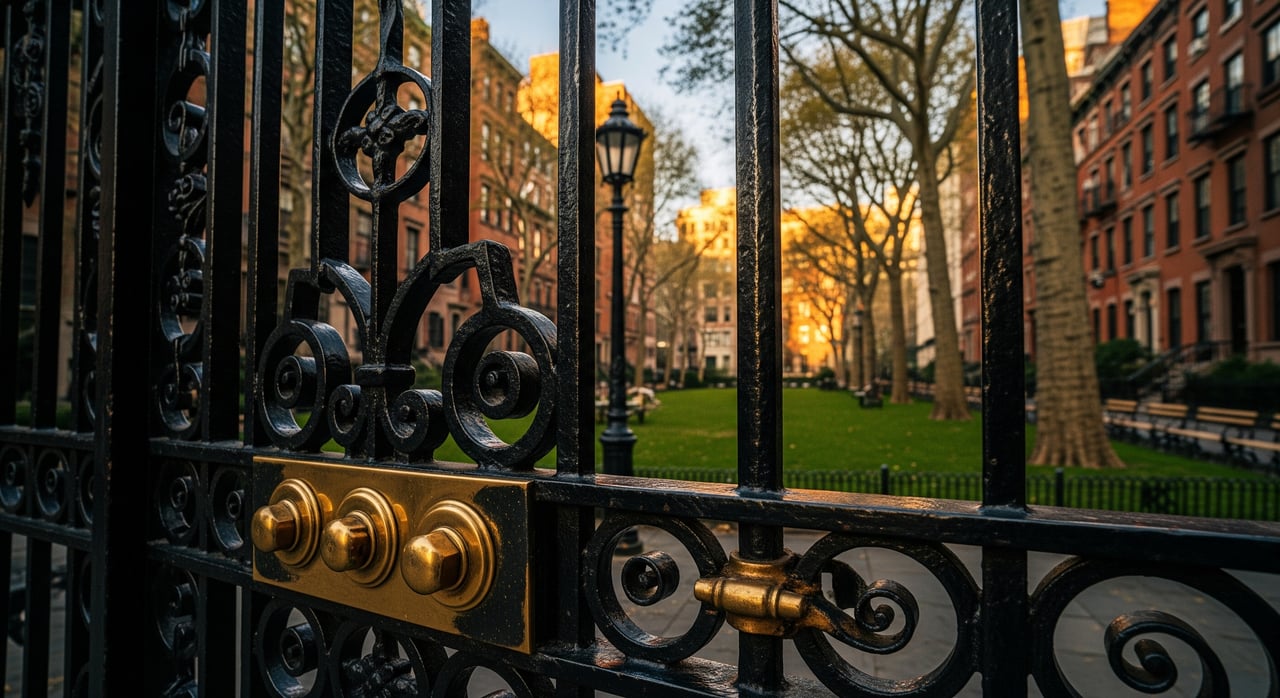
Gramercy Park is a privately controlled, fenced park in Manhattan. It is not open to the general public. Only keyholders and their invited guests may enter.
The park’s private status is governed by trustees who set and enforce rules with park staff. For buyers, a key is both a practical amenity and a marketing attribute. You get a quiet, well-kept green space, plus an element of exclusivity that can influence demand and pricing.
Who is eligible for a key
Direct entitlement
Eligibility usually starts with the property. Homes that front the park or have explicit deeded rights are typically eligible. This can include certain townhouses and specific co-op or condo buildings on the park perimeter.
Building-level arrangements
In many cases, the building’s board or owner holds keys and controls distribution to residents. Policies vary. Some buildings provide keys to all unit owners. Others limit keys to owners, not tenants, or require an extra fee. Always ask for the current written policy.
Commercial or institutional occupants
Certain businesses or institutions with pre-existing arrangements may be eligible. These are handled case by case by the trustees. If your situation is unique, plan for extra verification time.
How keys are issued and controlled
Issuance process
Keys are typically issued through the park’s administrative office or via your building’s management. You should expect to provide identification, proof of residence in an eligible building, and any required application form.
Transfer and resale
Do not assume a key automatically transfers when a unit sells. The outcome depends on the underlying rights and the building’s rules. Some rights are deeded, others are granted at the board’s discretion. Get written confirmation before you sign a contract.
Building policies
Bylaws, proprietary leases, or condo declarations often spell out whether keys go to owners, tenants, or neither. Some associations include the park fee in common charges, while others bill residents directly. Policies can change, so request the current version during due diligence.
Park rules and enforcement
The trustees set operational rules such as hours, guest policies, and limits on gatherings or commercial use. There may be restrictions about pets, children, and ball play. The park can revoke privileges for violations. Ask for the latest written rules before you commit.
Fees and logistics to verify
Typical fee items
- Per-key annual maintenance fee that contributes to grounds, security, and capital needs.
- Application, replacement, or refundable deposit fees.
- Building pass-throughs if the association pays the park fee and includes it in common charges.
Closing and move logistics
- Request written confirmation that the unit is eligible for a key and whether a key is included in the sale.
- Ask your attorney to include a clause requiring the seller to deliver any park key at closing, or to outline how a new key will be obtained.
- Understand the lost-key process and fees so you know what to do if a key goes missing.
Due diligence documents
- The section of the building’s bylaws, condo declaration, or proprietary lease that covers park access.
- Written confirmation from the park trustees or administrator showing the building’s status and current fees.
- Recent board or HOA meeting minutes that mention keys, fees, or disputes.
- A seller’s affidavit confirming whether a key is in their possession and will be delivered.
Key takeaway: Verify eligibility, transferability, and costs in writing. This protects you at contract and at closing.
How key access affects value
Premium and buyer demand
A Gramercy Park key is often positioned as a premium amenity. For buyers who value private outdoor space in Manhattan, access can increase desirability and improve marketability. This is especially true for buyers who prioritize quiet, privacy, and convenience.
Resale clarity
Clear, transferable rights are more valuable than informal arrangements. When eligibility and transfer are documented, you reduce uncertainty that can undermine pricing or time on market later.
Product type differences
- Pied-a-terre buyers may value the ease of stepping into a private park during short stays.
- Move-up buyers may view exclusive access as a lifestyle anchor. The rules and hours matter, so make sure the way you plan to use the park aligns with what is allowed.
Lifestyle trade-offs to consider
- Privacy vs access flexibility: You gain a quiet space, but the park limits large gatherings and commercial activities. Hours and permitted uses are set by the trustees.
- Cost vs benefit: Annual and administrative fees are modest for some buyers but meaningful for others. Balance the fees against how often you will use the park.
- Proximity without access: Some nearby buildings do not have keys. You may enjoy views and quieter streets, but not admission. Price and expectations should reflect that difference.
Pied-a-terre and part-time owners
If you plan intermittent use, confirm whether your building issues keys to non-primary residents. Some policies distinguish between primary and secondary owners. If you host guests, ask how guest access works and whether temporary passes are available. Align the building’s policies and the park’s rules with your intended use before you make an offer.
Buyer checklist for showings and offers
Use this quick list when you tour and negotiate:
- Is the building on the park’s official keyholder list? Ask for written proof.
- Is a key included with the sale, or must you apply? Will it be delivered at closing?
- What are the current annual and one-time fees, and who bills them?
- What are the park’s hours and rules? Request the written rule set.
- Are keys transferable upon sale, or must the board or trustees reissue them?
- Does the building allow tenants to hold keys, or owners only?
Contract and closing protections
Ask your attorney to consider these items:
- A representation that any existing park key will be delivered at closing, or language that explicitly excludes it.
- A contingency that requires written eligibility confirmation from the building or trustees by a specific date if anything is unclear.
- Escrow holdback or a purchase credit if a key cannot be delivered and you will incur fees to obtain one after closing.
- Title and document review to confirm any deeded rights or easements related to the park in the chain of title.
Who to contact for verification
- The Gramercy Park trustees or park administrator for building eligibility, rules, and current fees.
- Your building management or co-op or condo board for policy details and billing practices.
- Your attorney and title company for recorded rights, easements, and contract protections.
Make it seamless with a local advocate
Navigating co-op and condo rules, board policies, and contract language is where a steady, legally informed process pays off. You want clarity on eligibility, transferability, and fees before you bid, not after you are in contract. If you are weighing trade-offs between a key-building and a non-key option in 10003, we can help you model value, negotiate protections, and move from accepted offer to closing without surprises.
Ready to talk strategy or review a specific listing with Gramercy Park implications? Connect with The Shapot Team for measured counsel and a streamlined plan from offer to keys in hand.
FAQs
How do Gramercy Park keys work for co-ops vs condos in 10003?
- Policies are building specific, so confirm whether the co-op or condo issues keys to owners, tenants, or both, and whether fees are billed through common charges or directly.
Do Gramercy Park keys automatically transfer when I buy?
- Not always, transfer depends on the underlying rights and building policy, so require written confirmation in due diligence and contract language about key delivery at closing.
What fees should I expect for a Gramercy Park key?
- Typical items include an annual maintenance fee per key and possible application or replacement fees, with billing either direct from trustees or via your building.
Can a pied-a-terre owner receive a Gramercy Park key?
- Often yes, but some buildings limit keys to primary residents, so verify whether part-time owners and their guests are eligible under current policy.
What rules govern use of Gramercy Park once I have a key?
- The trustees set hours and conduct rules and may limit group activities, commercial use, pets, and ball play, so request the latest written rule set before buying.
What if the seller lost the Gramercy Park key before closing?
- Your attorney can add language for replacement procedures, fees, or an escrow or credit so you are made whole if a new key must be issued after closing.
Does living near Gramercy Park without a key still help resale?
- Proximity can offer views and quieter streets, but without direct access, pricing and marketing should reflect the difference between key and non-key buildings.